Text follows in English
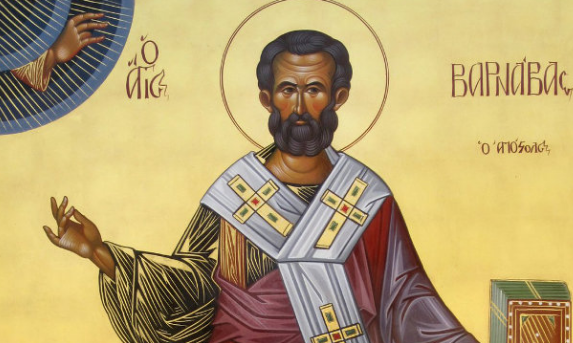
Απόστολος Βαρνάβας
Ο Πολιούχος Άγιος και Ιδρυτής της Εκκλησίας της Κύπρου
Ένα μικρό αφιέρωμα του Καθηγητή
Ζαννέτου Τοφαλλή
(Κυπριακή Παροικία Λονδίνου)
Οι τρεις τελευταίοι μοναχοί και αδελφοί
Βαρνάβας, Χαρίτωνας και Χρύσανθος μπροστά στο Μοναστήρι
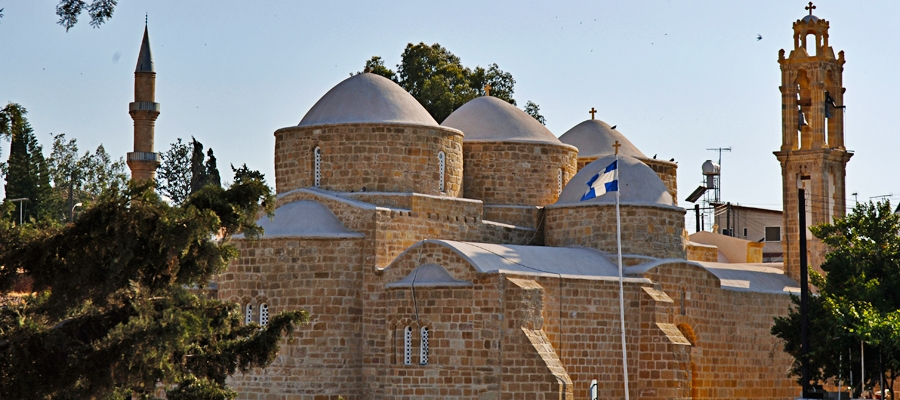
Κάθε χρόνο, στις 11 Ιουνίου, η Κυπριακή Εκκλησία γιορτάζει τη μνήμη του ιδρυτή και πολιούχου της, του Αποστόλου Βαρνάβα. Το μοναστήρι του Αγίου βρίσκεται κοντά στην Αμμόχωστο, ανάμεσα στα χωριά Έγκωμη, Άγιος Σέργιος, Λιμνιά και Στύλλοι, περίπου μισό μίλι από την ιστορική Σαλαμίνα και την προϊστορική Αλάσια. Εδώ και 52 χρόνια το ιστορικό αυτό μοναστήρι βρίσκεται υπό τουρκική κατοχή και λειτουργεί τα τελευταία χρόνια ως μουσείο εικόνων. Το επισκέπτονται πολλοί, δικοί μας και ξένοι.
Τα τελευταία χρόνια οι κατοχικές αρχές «επιτρέπουν» στους Κυπρίους να λειτουργούν το μοναστήρι κατά τον εσπερινό και την ημέρα του Αγίου. Η Μέρα του Αποστόλου Βαρνάβα καθιερώθηκε ως Ημέρα της Κύπρου, ημέρα θύμησης για τη σκλαβωμένη, την προδομένη πατρίδα που μας καλεί να σηκώσουμε τον ήλιο της Ελευθερίας πάνω από τους κυπριακούς ουρανούς.
Αυτό το σύντομο σημείωμα για τον «γείτονά» μου, τον Απόστολο Βαρνάβα, ας θεωρηθεί ένας μικρός φόρος τιμής στον μεγάλο αυτό ιεραπόστολο της Αγάπης, ένα ταπεινό μνημόσυνο στους τρεις τελευταίους μοναχούς της μονής, αδελφούς Βαρνάβα, Χαρίτωνα και Χρύσανθο, σπουδαίους αγιογράφους και μουσικούς από την Τρεμετουσιά, που αφιέρωσαν όλη τους τη ζωή (μαζί με τη μητέρα τους) στην πίστη του Χριστού της Αγάπης.
Τους γνώριζα πολύ καλά. Όταν ήμουν μικρός – θυμάμαι – πηγαίναμε στο γειτονικό μοναστήρι να προσκυνήσουμε τον Άγιο και να επισκεφθούμε τους φιλόξενους και καλοσυνάτους μοναχούς. Με την κατοχή έφυγαν πικραμένοι, γιατί διώχτηκαν βάναυσα από το μοναστήρι τους.
Και μια ζωντανή υπενθύμιση ότι δεν θα ξεχάσουμε τις ρίζες του τόπου μας και ότι σύντομα ο Απόστολος Βαρνάβας θα λειτουργεί ως τόπος χριστιανικής λατρείας, νόμιμα και μόνιμα, όπως και όλες οι σκλαβωμένες εκκλησίες και τα μοναστήρια της πατρίδας μας.
Την τελευταία φορά που τους επισκέφθηκα – πριν από την εισβολή – μου χάρισαν μια δική τους εικόνα των Τριών Ιεραρχών. «Μια και μιλάτε και διδάσκετε τα Ελληνικά Γράμματα, για να μας θυμάστε εκεί στην Αγγλία», μου είπαν κατασυγκινημένοι. Δάκρυσα. Ναι, θα τους θυμάμαι και θα μιλώ γι’ αυτούς ενόσω ζω!
Είχαμε την ευκαιρία να επισκεφθούμε το ιστορικό αυτό μοναστήρι κατά την πρόσφατη επίσκεψή μας στην Κύπρο. Ήθελα να πάρω και τις δυο μου εγγονούλες – τη Σταυρίνα και τη Βασούλα – για να γνωρίσουν την ιστορία και τον πολιτισμό της πατρίδας των προγόνων τους. Και πολύ συγκινήθηκαν!
Να τι λέει το Απολυτίκιο του Αποστόλου Βαρνάβα, με τον μεγαλύτερο πλούτο της Ελληνικής γλώσσας:
Το μέγα κλέος της Κύπρου, της Οικουμένης τον κήρυκα,
των Αντιοχέων τον πρώτον, της χριστωνύμου κλήσεως αρχιτέκτονα,
της Ρώμης τον κλεινόν εισηγητήν, και θείον των εθνών σαγηνευτήν,
το της χάριτος δοχείον, του Παρακλήτου Πνεύματος τον επώνυμον,
Απόστολον τον μέγαν, τον του θείου Παύλου συνέκδημον,
των εβδομήκοντα πρώτον, των δώδεκα ισοστάσιον
πάντες συνελθόντες σεπτώς οι πιστοί, τον Βαρνάβαν άσμασι στέψωμεν,
πρεσβεύει γαρ Κυρίω, ελεηθήναι τάς ψυχάς ημών.
Ποιος είναι, λοιπόν, ο Απόστολος Βαρνάβας;
Ο Απόστολος Βαρνάβας γεννήθηκε στη Σαλαμίνα της Κύπρου τον 1ο μ.Χ. αιώνα. Ήταν εβραϊκής καταγωγής και το πραγματικό του όνομα ήταν Ιωσής ή Ιωσήφ. Μετονομάστηκε σε Βαρνάβα, που πάει να πει «Γιος της χαράς και της παρηγορίας», γιατί αγαπούσε πολύ τους φτωχούς. Πούλησε την περιουσία του, δίνοντας φαγητό στους πεινασμένους. Ακολούθησε τον Χριστό και έγινε ένας από τους μαθητές Του. Ο Βαρνάβας θεωρείται ίσος των Δώδεκα και πρώτος μεταξύ των Εβδομήκοντα Αποστόλων.
Μετά τον διωγμό του Στέφανου του Πρωτομάρτυρα, ο Βαρνάβας στάλθηκε από τους Αποστόλους στην Αντιόχεια της Συρίας για να κηρύξει τον λόγο του Θεού. Εκεί άρχισε και το αποστολικό του έργο. Στη συνέχεια ταξίδεψε μαζί με τον Απόστολο Παύλο και τον ανιψιό του Μάρκο στη Μικρά Ασία και την Κύπρο, όπου κήρυξαν το Ευαγγέλιο. Πήρε μέρος στην Αποστολική Σύνοδο. Στη συνέχεια επέστρεψε στην Κύπρο με τον Ευαγγελιστή Μάρκο.
Σύμφωνα με την παράδοση, ο Βαρνάβας βασανίστηκε και λιθοβολήθηκε μέχρι θανάτου από τους Εβραίους στη Σαλαμίνα. Οι μαθητές του και ο Μάρκος τον έθαψαν κρυφά σε έναν ρωμαϊκό τάφο και έφυγαν από το νησί κυνηγημένοι. Μαζί με το λείψανο του Αποστόλου Βαρνάβα έθαψαν και το χειρόγραφο Ευαγγέλιο του Ματθαίου, ενός από τους τέσσερις Ευαγγελιστές.
Ο Απόστολος Βαρνάβας θεωρείται ο ιδρυτής και θεμελιωτής της Εκκλησίας της Κύπρου. Σ’ αυτόν επίσης χρωστά η Εκκλησία της Κύπρου το αυτοκέφαλό της. Όταν, το 488 μ.Χ., το Πατριαρχείο Αντιοχείας προσπαθούσε να υποτάξει την Εκκλησία της Κύπρου, ο Απόστολος Βαρνάβας εμφανίστηκε στο όνειρο του τότε Αρχιεπισκόπου Κύπρου Ανθεμίου και του υπέδειξε τον τόπο όπου ήταν θαμμένος. Ο Ανθέμιος αναζήτησε και βρήκε τον τάφο και το λείψανο του Αποστόλου κάτω από μια χαρουπιά κοντά στη Σαλαμίνα. Πάνω στο στήθος του Βαρνάβα βρήκε το ιδιόγραφο Ιερό Ευαγγέλιο του Ευαγγελιστή Ματθαίου.
Ο Ανθέμιος δεν έχασε χρόνο. Πήρε το Ευαγγέλιο και πήγε στην Κωνσταντινούπολη. Εκεί έγινε δεκτός από τον Βυζαντινό Αυτοκράτορα Ζήνωνα, από τον οποίο ζήτησε προστασία και επικύρωση του αυτοκεφάλου της Εκκλησίας της Κύπρου. Ο Αυτοκράτορας έδωσε τότε εντολή για σύγκληση έκτακτης οικουμενικής συνόδου στην Κωνσταντινούπολη, το 488 μ.Χ., στην οποία κλήθηκαν και επίτροποι του Πατριαρχείου Αντιοχείας. Η Σύνοδος έθεσε οριστικά τέρμα στην αμφισβήτηση του αυτοκεφάλου της Εκκλησίας της Κύπρου, επικυρώνοντας την αποστολικότητα και το αυτοκέφαλο της Κυπριακής Εκκλησίας.
Ο Ανθέμιος, θέλοντας να δείξει την ευγνωμοσύνη του προς τον αυτοκράτορα, του χάρισε το ιδιόχειρα γραμμένο Ευαγγέλιο του Ματθαίου. Με τη σειρά του, ο Ζήνωνας χάρισε στον Αρχιεπίσκοπο Κύπρου και στους διαδόχους του τα ακόλουθα αυτοκρατορικά προνόμια:
α) να φέρει κόκκινο μανδύα στις επίσημες τελετές,
β) να κρατεί αυτοκρατορικό σκήπτρο αντί της συνηθισμένης ποιμαντορικής ράβδου και
γ) να υπογράφει με κόκκινο μελάνι, κάτι που γίνεται μέχρι σήμερα.
Στο μέρος όπου βρέθηκε το λείψανο του Αποστόλου Βαρνάβα, κοντά στη Σαλαμίνα, κτίστηκε μοναστήρι αφιερωμένο στον Απόστολο και ιδρυτή της Εκκλησίας της Κύπρου.
Σήμερα το Μοναστήρι του Αποστόλου Βαρνάβα, όπως και το 37% της Κύπρου, είναι σκλαβωμένο στους Τούρκους. Ζητάμε τη χάρη του Αποστόλου Βαρνάβα – που και αυτός προδόθηκε και λιθοβολήθηκε από τους ομόθρησκούς του – να φωτίσει τους αρχηγούς των δύο κοινοτήτων και τον κυπριακό λαό, ώστε να παραμείνει σταθερά ενωμένος για την ελευθερία και την επανένωση της πατρίδας μας, που θα είναι πατρίδα για όλους τους νόμιμους κατοίκους της, Ε/Κ, Τ/Κ, Αρμένιους, Μαρωνίτες και Λατίνους.
Και καταλήγω με τα αθάνατα λόγια του Οδυσσέα Ελύτη, μελοποιημένα από τον Μίκη Θεοδωράκη – λόγια παράκλησης στον τιμώμενο συμπατριώτη μας Απόστολο, αλλά και πνευματικής αντίστασης στον ξένο εισβολέα, ότι δεν ξεχνάμε και προσδοκούμε:
Της δικαιοσύνης ήλιε νοητέ
και μυρσίνη εσύ δοξαστική
Μη παρακαλώ σας, μη
λησμονάτε τη χώρα μου
Αετόμορφα τα έχει τα ψηλά βουνά
στα ηφαίστεια κλήματα σειρά
Και τα σπίτια πιο λευκά
στου γλαυκού το γειτόνεμα
Τα πικρά μου χέρια με τον κεραυνό
τα γυρίζω πίσω απ’ τον καιρό
Τους παλιούς μου φίλους καλώ
με φοβέρες και μ’ αίματα
Της δικαιοσύνης ήλιε νοητέ
και μυρσίνη εσύ δοξαστική
Μη παρακαλώ σας, μη
λησμονάτε τη χώρα μου
Αναμένουμε με πίστη και αισιοδοξία!
ΖΑΝΝΕΤΟΣ ΤΟΦΑΛΛΗΣ
ztofallis@gmail.com
Λονδίνο, 11 Ιουνίου 2026.
Tribute to Apostle Barnabas, Founder of the Church of Cyprus
Apostle Barnabas
Patron Saint and Founder of the Church of Cyprus
A brief tribute by Professor
Zannetos Tofallis
(Cypriot Community of London)
The last three monks and brothers, Barnabas, Chariton and Chrysanthos, in front of the Monastery.
Every year, on 11 June, the Church of Cyprus commemorates the memory of its founder and patron saint, Apostle Barnabas. His monastery is located near Famagusta, between the villages of Engomi, Agios Sergios, Limnia and Stylloi, approximately half a mile from historic Salamis and prehistoric Alashiya. For the past 52 years, this historic monastery has remained under Turkish occupation and, in recent years, has been operating as an icon museum. It is visited by many people, both Cypriots and foreigners.
In recent years, the occupation authorities have “allowed” Cypriots to hold services at the monastery on the eve of the feast and on the Saint’s day itself. The Feast of Apostle Barnabas has also been established as the Day of Cyprus—a day of remembrance for our occupied and betrayed homeland, which calls upon us to raise the sun of Freedom once again over the skies of Cyprus.
This brief note about my “neighbour,” Apostle Barnabas, should be regarded as a small tribute to this great missionary of Love, and as a humble memorial to the last three monks of the monastery—Brothers Barnabas, Chariton and Chrysanthos, distinguished iconographers and musicians from Tremetousia—who dedicated their entire lives, together with their mother, to the faith of Christ, the Christ of Love.
I knew them very well. When I was a child, I remember visiting the nearby monastery to venerate the Saint and spend time with the hospitable and kind-hearted monks. Following the occupation, they left with heavy hearts, having been brutally expelled from their monastery.
Their story serves as a living reminder that we shall never forget the roots of our homeland and that Apostle Barnabas will one day once again function as a place of Christian worship, legally and permanently, as will all the occupied churches and monasteries of our country.
The last time I visited them—before the invasion—they presented me with one of their own icons depicting the Three Hierarchs. “Since you teach and promote Greek letters, keep this so that you may remember us there in England,” they told me with great emotion. I was moved to tears. Yes, I shall remember them and speak of them for as long as I live.
We had the opportunity to visit this historic monastery during our recent trip to Cyprus. I wanted to take my two granddaughters, Stavrina and Vasoula, so that they could learn about the history and culture of their ancestral homeland. They, too, were deeply moved.
The Apolytikion (Dismissal Hymn) of Apostle Barnabas proclaims, in the richness of the Greek language:
The great glory of Cyprus, the herald of the world,
The first among the Antiochians, architect of the Christian calling,
The renowned guide of Rome and divine fisher of the nations,
Vessel of grace, bearing the name of the Holy Spirit, the Comforter,
The great Apostle, companion of the divine Paul,
First among the Seventy, equal in honour to the Twelve.
Therefore, all the faithful, gathered together in reverence,
Let us crown Barnabas with hymns of praise,
For he intercedes with the Lord
That our souls may receive mercy.
Who Was Apostle Barnabas?
Apostle Barnabas was born in Salamis, Cyprus, during the first century AD. He was of Jewish descent, and his original name was Joses (or Joseph). He was later given the name Barnabas, meaning “Son of Encouragement” or “Son of Consolation,” because of his compassion for the poor. He sold his possessions and used the proceeds to feed the hungry. He became a follower of Christ and one of His disciples. Barnabas is regarded as equal in honour to the Twelve Apostles and first among the Seventy Apostles.
Following the martyrdom of Saint Stephen the Protomartyr, Barnabas was sent by the Apostles to Antioch in Syria to preach the Word of God. There he began his missionary ministry. Later, he travelled with Apostle Paul and his nephew Mark to Asia Minor and Cyprus, where they preached the Gospel. He also participated in the Apostolic Council of Jerusalem before returning to Cyprus with the Evangelist Mark.
According to tradition, Barnabas was tortured and stoned to death by Jews in Salamis. His disciples and Mark secretly buried him in a Roman tomb before fleeing the island. Alongside his relics, they buried a handwritten copy of the Gospel according to Matthew, one of the Four Evangelists.
Apostle Barnabas is regarded as the founder and cornerstone of the Church of Cyprus. The Church also owes its autocephalous status to him. In AD 488, when the Patriarchate of Antioch sought to bring the Church of Cyprus under its authority, Apostle Barnabas appeared in a dream to Archbishop Anthemios of Cyprus and revealed the location of his burial place.
Archbishop Anthemios searched for and discovered the Apostle’s tomb and relics beneath a carob tree near Salamis. Resting upon the Apostle’s chest was found the handwritten Gospel of Saint Matthew.
Anthemios immediately travelled to Constantinople with the Gospel. There he was received by the Byzantine Emperor Zeno, from whom he sought protection and confirmation of the Church of Cyprus’s autocephaly. Emperor Zeno subsequently convened an extraordinary council in Constantinople in AD 488, attended also by representatives of the Patriarchate of Antioch.
The council definitively settled the matter, affirming both the apostolic foundation and the autocephalous status of the Church of Cyprus.
As a gesture of gratitude, Archbishop Anthemios presented the handwritten Gospel of Matthew to Emperor Zeno. In return, the Emperor granted the Archbishop of Cyprus and his successors three imperial privileges:
a) The right to wear a red mantle during official ceremonies;
b) The right to carry an imperial sceptre instead of the customary pastoral staff; and
c) The right to sign documents in red ink, a privilege that continues to this day.
At the site where the relics of Apostle Barnabas were discovered, near Salamis, a monastery was built in honour of the Apostle and Founder of the Church of Cyprus.
Today, the Monastery of Apostle Barnabas, like 37% of Cyprus, remains under Turkish occupation. We pray for the intercession of Apostle Barnabas—who himself was betrayed and stoned by members of his own faith—to enlighten the leaders of both communities and the people of Cyprus, so that they may remain united in their pursuit of freedom and the reunification of our homeland, a homeland that belongs to all its lawful inhabitants: Greek Cypriots, Turkish Cypriots, Armenians, Maronites and Latins.
I conclude with the immortal words of Nobel Laureate poet Odysseas Elytis, set to music by Mikis Theodorakis—words that serve both as a prayer to our honoured compatriot Apostle Barnabas and as a spiritual act of resistance against foreign occupation, affirming that we do not forget and continue to hope:
O sun of justice, conceived by the mind,
And you, myrtle tree of glory,
I beg you, do not,
Do not forget my country.
Eagle-like are her lofty mountains,
Vineyards stretch beside volcanoes,
And her houses shine whiter still
Beside the azure sea.
My bitter hands, charged with lightning,
I stretch back through time,
Calling upon my old companions
Through threats and through bloodshed.
O sun of justice, conceived by the mind,
And you, myrtle tree of glory,
I beg you, do not,
Do not forget my country.
We await the future with faith and optimism.
ZANNETOS TOFALLIS
London, 11 June 2026.