Text follows in English
Νέα έκθεσή της για τη λειτουργία των Αθλητικών, Μουσικών και Ολοήμερων Σχολείων Διαθεματικής – Διεπιστημονικής Μάθησης
Με κλήρωση και όχι στη βάση αξιολόγησης φακέλου και προσωπικής συνέντευξης γίνεται η εισδοχή μαθητών στα Ολοήμερα Σχολεία Διαθεματικής – Διεπιστημονικής Μάθησης (ΟΣΔΔΜ), παρά τα όσα προβλέπει η εγκεκριμένη πρόταση του Υπουργικού Συμβουλίου.
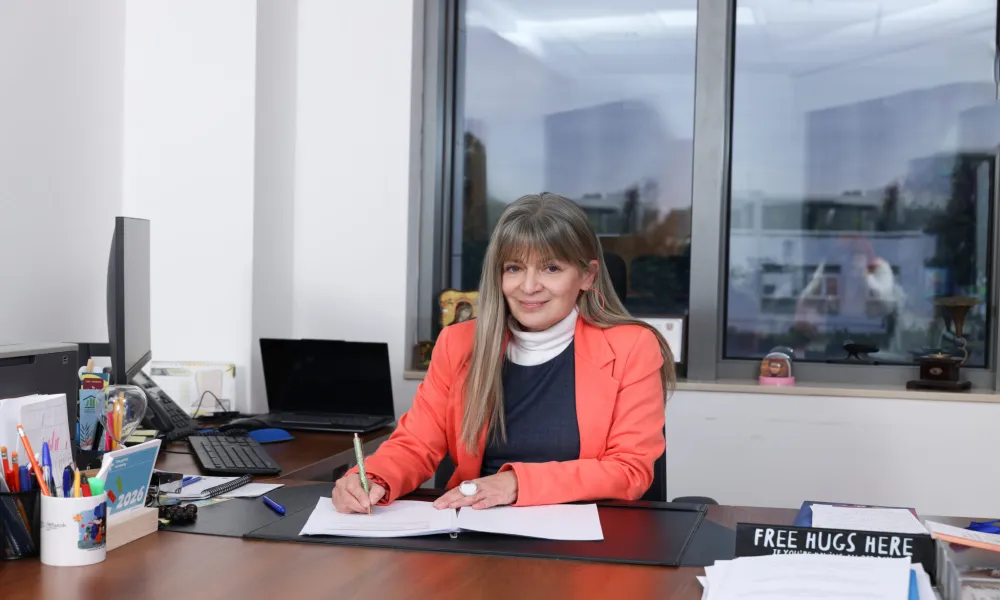
Το ζήτημα αναδεικνύει η Επίτροπος Προστασίας των Δικαιωμάτων του Παιδιού, Έλενα Περικλέους, σε νέα έκθεσή της για τη λειτουργία των Αθλητικών, Μουσικών και Ολοήμερων Σχολείων Διαθεματικής – Διεπιστημονικής Μάθησης, θέτοντας παράλληλα θέμα διαφάνειας της διαδικασίας που ακολουθείται.
Σύμφωνα με την έκθεση, η εγκεκριμένη πρόταση του Υπουργικού Συμβουλίου προέβλεπε ότι η επιλογή των παιδιών θα διενεργείται από ειδική Επιτροπή, στη βάση αξιολόγησης του φακέλου κάθε ενδιαφερόμενου παιδιού και προσωπικής συνέντευξης. Στην πράξη, ωστόσο, η διαδικασία διεκπεραιώνεται μέσω κλήρωσης.
Η Επίτροπος σημειώνει ότι, σύμφωνα με αναφορές πολιτών αλλά και την εμπειρία από την εφαρμογή του θεσμού, μέσω της κλήρωσης ενδέχεται να μένουν εκτός παιδιά με πραγματικό ενδιαφέρον για το πρόγραμμα, ενώ επιλέγονται παιδιά των οποίων οι γονείς προτιμούν το σχολείο κυρίως λόγω της ολοήμερης φοίτησης.
Την ίδια ώρα, διαπιστώνει ότι η κλήρωση δεν διενεργείται με τρόπο που να διασφαλίζει τη διαφάνεια. Εισηγείται, ως εκ τούτου, αξιολόγηση της διαδικασίας και του κατά πόσο αυτή εξυπηρετεί τους στόχους του συγκεκριμένου τύπου σχολείου.
Κριτήρια χωρίς αποκλεισμούς
Εφόσον κριθεί ότι η κλήρωση αποτελεί την αποτελεσματικότερη μέθοδο εισδοχής, η Επίτροπος ζητά να καθιερωθεί διαφανής διαδικασία, με κριτήρια που θα διασφαλίζουν ισότιμη εκπροσώπηση στη βάση του φύλου, της γεωγραφικής περιοχής, των μαθησιακών αναγκών και των συνθηκών ευαλωτότητας.
Παράλληλα, εισηγείται την αφαίρεση των γενικόλογων αναφορών σε δεξιότητες γραφής, ανάγνωσης και αριθμητικής από τις προϋποθέσεις εισδοχής. Όπως επισημαίνει, τέτοια κριτήρια ενδέχεται να αποκλείουν παιδιά με μεταναστευτικό ή προσφυγικό υπόβαθρο, καθώς και παιδιά με αναπηρία, την ώρα που βασική επιδίωξη της εκπαίδευσης STEAM είναι η μείωση των ανισοτήτων.
Η έκθεση ζητά επίσης να τροποποιηθούν τα έγγραφα που δημοσιεύονται ή κοινοποιούνται στους γονείς, ώστε να αναγράφεται με σαφήνεια η πραγματική διαδικασία εισδοχής. Εάν διατηρηθεί η κλήρωση, θα πρέπει να τροποποιηθεί και η σχετική απόφαση του Υπουργικού Συμβουλίου.
Εξαντλητικό πρόγραμμα
Πέραν των ΟΣΔΔΜ, η έκθεση βάζει στο μικροσκόπιο τη λειτουργία των Αθλητικών και Μουσικών Σχολείων, αναγνωρίζοντας μεν τη συμβολή τους στην ανάπτυξη των ιδιαίτερων κλίσεων των παιδιών, καταγράφοντας δε σοβαρές αδυναμίες.
Η λειτουργία τους στο πλαίσιο της γενικής εκπαίδευσης, χωρίς ανάλογη προσαρμογή του ωρολογίου προγράμματος, των υποδομών και της αξιολόγησης, δημιουργεί, σύμφωνα με την Επίτροπο, δυσανάλογη επιβάρυνση για τα παιδιά. Περιορισμένος χρόνος για τα μαθήματα, εξωσχολική ενίσχυση και πρόβες στα διαλείμματα, τα απογεύματα ή ακόμη και τα Σαββατοκύριακα συνθέτουν ένα ιδιαίτερα απαιτητικό πρόγραμμα.
Για τα Αθλητικά Σχολεία καταγράφεται αυξημένο άγχος και ψυχολογική πίεση, με την έκθεση να προειδοποιεί ακόμη και για κίνδυνο τραυματισμών, εξουθένωσης και απώλειας ενδιαφέροντος για τον αθλητισμό. Προτείνονται αύξηση του προπονητικού χρόνου, χρόνος αποκατάστασης μετά την πρωινή προπόνηση, φυσιοθεραπεία και οργανωμένη αναπλήρωση της ύλης που χάνεται λόγω διοργανώσεων.
Για τα Μουσικά Σχολεία υπογραμμίζεται η ανάγκη θεσμοθέτησης της λειτουργίας τους και αντιμετώπισης των δυσκολιών που βιώνουν παιδιά από απομακρυσμένες περιοχές, λόγω μετακινήσεων και βαρυφορτωμένου ημερήσιου προγράμματος.
Η έκθεση στηρίχθηκε στις απόψεις 155 παιδιών και 51 εκπαιδευτικών και έχει ήδη διαβιβαστεί στο Υπουργείο Παιδείας και στη Βουλή.
Πηγή: ΠΟΛΙΤΗΣ
Children’s Commissioner sounds alarm: “Students admitted by lottery rather than on the basis of criteria”
New report on the operation of Sports, Music and All-Day Schools for Interdisciplinary and Cross-Curricular Learning
Students are being admitted to the All-Day Schools for Interdisciplinary and Cross-Curricular Learning (OSDDM) through a lottery rather than on the basis of an assessment of their application file and a personal interview, despite the provisions of the proposal approved by the Council of Ministers.
The issue is highlighted by the Commissioner for the Protection of Children’s Rights, Elena Perikleous, in a new report on the operation of Sports, Music and All-Day Schools for Interdisciplinary and Cross-Curricular Learning. The report also raises concerns about the transparency of the procedure being followed.
According to the report, the proposal approved by the Council of Ministers provided that the selection of students would be carried out by a special committee, based on an assessment of each applicant’s file and a personal interview. In practice, however, the process is conducted through a lottery.
The Commissioner notes that, according to reports from citizens as well as experience from the implementation of the scheme, the lottery may result in children with a genuine interest in the programme being left out, while children whose parents prefer the school primarily because of its all-day schedule may be selected.
At the same time, she finds that the lottery is not conducted in a manner that ensures transparency. She therefore recommends an assessment of the procedure and of whether it serves the objectives of this particular type of school.
Inclusive criteria
If it is determined that a lottery is the most effective method of admission, the Commissioner calls for a transparent procedure to be established, with criteria ensuring equal representation based on gender, geographical area, learning needs and vulnerability factors.
At the same time, she recommends removing the general references to writing, reading and numeracy skills from the admission requirements. As she points out, such criteria may exclude children from migrant or refugee backgrounds, as well as children with disabilities, at a time when a key objective of STEAM education is to reduce inequalities.
The report also calls for amendments to the documents published or communicated to parents, so that the actual admission procedure is clearly stated. If the lottery system is retained, the relevant decision of the Council of Ministers should also be amended.
Demanding schedule
Beyond the OSDDM, the report examines the operation of Sports and Music Schools, acknowledging their contribution to the development of children’s particular talents while also identifying serious shortcomings.
According to the Commissioner, their operation within the framework of mainstream education, without corresponding adjustments to the timetable, infrastructure and assessment methods, places a disproportionate burden on children. Limited time for academic subjects, extracurricular support and rehearsals during breaks, in the afternoons or even at weekends create an especially demanding schedule.
In Sports Schools, increased stress and psychological pressure are reported, with the report even warning of the risk of injuries, burnout and loss of interest in sport. It recommends increasing training time, providing recovery time after morning training, physiotherapy, and organised arrangements to make up for academic material missed due to competitions and events.
For Music Schools, the report stresses the need to institutionalise their operation and address the difficulties faced by children from remote areas as a result of commuting and an overloaded daily schedule.
The report was based on the views of 155 children and 51 teachers and has already been forwarded to the Ministry of Education and the Parliament.
Source: POLITIS