Text follows in English
Του Δρ. Βασίλη Μαύρου*
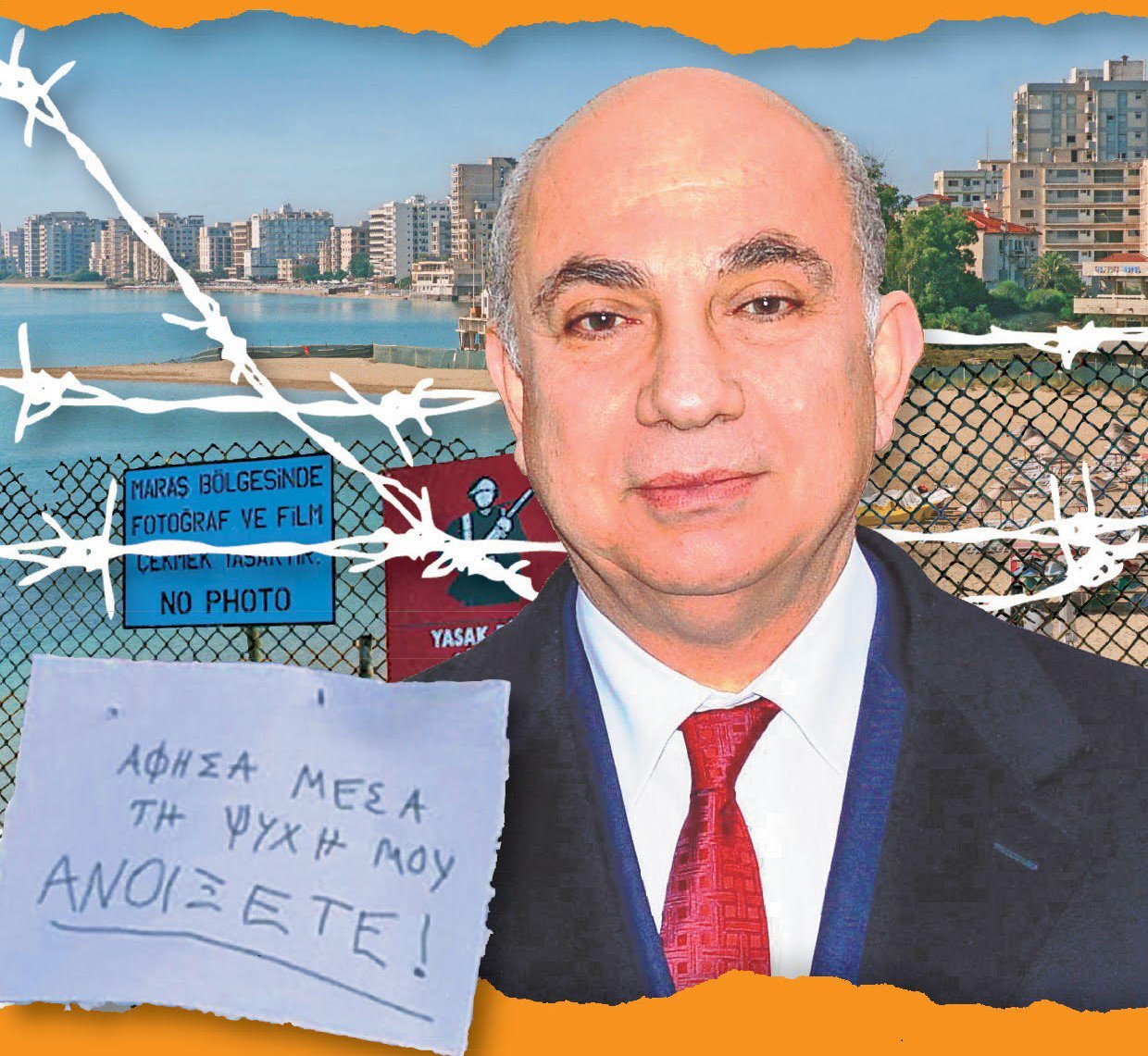
Το Ψήφισμα 550 του Συμβουλίου Ασφαλείας δεν χρησιμοποιεί τον όρο «περίκλειστη περιοχή». Μιλά για τα Βαρώσια και θεωρεί απαράδεκτες τις προσπάθειες εγκατάστασης από πρόσωπα άλλα από τους κατοίκους τους σε «any part of Varosha» — σε οποιοδήποτε τμήμα των Βαρωσίων.
Το ερώτημα λοιπόν είναι απλό αλλά καθοριστικό: Τι εννοούσαν τα ίδια τα έγγραφα όταν μιλούσαν για Varosha;
Η απάντηση αρχίζει πριν από την τουρκική εισβολή. Ήδη το 1964, δέκα χρόνια πριν υπάρξει οποιαδήποτε περίκλειστη περιοχή, σε έγγραφο του Συμβουλίου Ασφαλείας συναντούμε τη σαφή ονομασία «VAROSHA, NEW TOWN OF FAMAGUSTA», σε αντιδιαστολή προς την παλιά περιτειχισμένη πόλη της Αμμοχώστου.
Υπάρχει μάλιστα μια ιδιαίτερα σημαντική λεπτομέρεια: η συγκεκριμένη αναφορά προέρχεται από την τουρκική πλευρά. Περιλαμβάνεται σε επιστολή του Μόνιμου Αντιπροσώπου της Τουρκίας προς τον Πρόεδρο του Συμβουλίου Ασφαλείας, με την οποία διαβιβαζόταν τηλεγράφημα του τότε Αντιπροέδρου της Κυπριακής Δημοκρατίας, Fazıl Küçük. Επομένως, η περιγραφή των Βαρωσίων ως «Νέα Πόλη της Αμμοχώστου» δεν μπορεί να αποδοθεί σε κάποια μεταγενέστερη ελληνοκυπριακή ερμηνεία. Καταγράφεται ήδη από το 1964 σε επίσημο έγγραφο του Συμβουλίου Ασφαλείας που υπέβαλε η ίδια η Τουρκία.
Και αυτή δεν ήταν μια μεμονωμένη διατύπωση. Μετά το 1974, οι ίδιες οι εκθέσεις του Γενικού Γραμματέα επαναλαμβάνουν την περιγραφή. Το 1977 διαβάζουμε «the new town of Famagusta (Varosha)». Το 1978 χρησιμοποιείται ξανά η ίδια ονομασία, σε αναφορά μάλιστα στη μεταφορά εμπορευμάτων και κινητής περιουσίας από σπίτια και άλλα υποστατικά της περιοχής.
Το 1979 ακολουθεί η Συμφωνία Υψηλού Επιπέδου Κυπριανού–Ντενκτάς. Προβλέπει ότι θα δοθεί προτεραιότητα στην επίτευξη συμφωνίας για την επανεγκατάσταση στα Βαρώσια υπό την αιγίδα των Ηνωμένων Εθνών και ότι, όταν επιτευχθεί συμφωνία, αυτή θα εφαρμοστεί χωρίς να αναμένεται η έκβαση των συζητήσεων για τις άλλες πτυχές του Κυπριακού.
Φτάνουμε έτσι στο 1984 και στο Ψήφισμα 550. Εδώ βρίσκεται ίσως το κρισιμότερο σημείο. Το Συμβούλιο Ασφαλείας δεν γράφει «any part of the fenced area». Γράφει «any part of Varosha» — οποιοδήποτε τμήμα των Βαρωσίων.
Η επιλογή των λέξεων έχει σημασία. Πολύ περισσότερο όταν γνωρίζουμε τι αποκαλούσαν τα σχετικά έγγραφα Varosha πριν και μετά την εισβολή: τη Νέα Πόλη της Αμμοχώστου.
Και αν εξακολουθεί να υπάρχει οποιαδήποτε αμφιβολία για τη σχέση των Βαρωσίων με την περίκλειστη περιοχή, την απάντηση τη δίνει ο ίδιος ο Γενικός Γραμματέας το 1993. Στην έκθεση S/26026 γράφει:
«The fenced area comprises only a small part of the whole of Varosha.»
Δηλαδή, η περίκλειστη περιοχή αποτελεί μόνο ένα μικρό μέρος του συνόλου των Βαρωσίων.
Η διατύπωση δύσκολα θα μπορούσε να είναι σαφέστερη. Δεν λέει ότι η περίκλειστη περιοχή είναι κάτι διαφορετικό από τα Βαρώσια. Είναι μέρος τους. Λέει όμως εξίσου καθαρά ότι δεν είναι ολόκληρα τα Βαρώσια.
Πώς λοιπόν φτάσαμε σήμερα να χρησιμοποιούμε τόσο συχνά τους δύο όρους σχεδόν ως συνώνυμους; Και, ακόμη σοβαρότερα, πώς φτάσαμε να μιλάμε για παραβίαση του Ψηφίσματος 550 σχεδόν αποκλειστικά όταν αναφερόμαστε σε ενέργειες μέσα στην περίκλειστη περιοχή;
Το ερώτημα δεν είναι ακαδημαϊκό ούτε γλωσσικό. Είναι πολιτικό και διπλωματικό. Γιατί, όταν περιορίζεις την έννοια των Βαρωσίων, κινδυνεύεις να περιορίσεις μαζί και την ίδια σου τη διεκδίκηση.
Γι’ αυτό προκαλεί προβληματισμό όταν η δημόσια επιχειρηματολογία επικεντρώνεται σχεδόν αποκλειστικά στην περίκλειστη περιοχή. Πολύ σωστά επικαλούμαστε τα Ψηφίσματα 550 και 789 για όσα συμβαίνουν εκεί. Αλλά γιατί σταματούμε εκεί;
Το 550 δεν γράφει «any part of the fenced area». Γράφει «any part of Varosha».
Η αλληλουχία των εγγράφων είναι δύσκολο να αγνοηθεί: το 1964, και μάλιστα σε έγγραφο που υπέβαλε η τουρκική πλευρά, συναντούμε «VAROSHA, NEW TOWN OF FAMAGUSTA». Το 1977 και το 1978 οι εκθέσεις του Γενικού Γραμματέα επαναλαμβάνουν «the new town of Famagusta (Varosha)». Το 1984 το Ψήφισμα 550 αναφέρεται σε «any part of Varosha». Και το 1993 ο Γενικός Γραμματέας δηλώνει ότι η fenced area αποτελεί μόνο μικρό μέρος του συνόλου των Βαρωσίων.
Δεν χρειάζεται λοιπόν να ξαναγράψουμε το Ψήφισμα 550. Χρειάζεται να το διαβάσουμε όπως ακριβώς γράφτηκε.
Και τότε προκύπτει αναπόφευκτα το δύσκολο ερώτημα: αν τα ίδια τα έγγραφα είναι τόσο σαφή, γιατί η δική μας δημόσια και διπλωματική επιχειρηματολογία κατέληξε να επικεντρώνεται σχεδόν αποκλειστικά στην περίκλειστη περιοχή;
Δεν είναι μια συζήτηση μόνο για το παρελθόν. Ο τρόπος με τον οποίο ορίζουμε σήμερα τα Βαρώσια καθορίζει και το εύρος εκείνου που διεκδικούμε αύριο.
Γιατί, τελικά, το ερώτημα είναι ένα: διεκδικούμε τα Βαρώσια που περιγράφουν τα ίδια τα έγγραφα — ή μόνο ένα μικρό μέρος τους;
*Ο Δρ. Βασίλης Μαύρου είναι Πρόεδρος του Συνδέσμου Αμμοχώστου Ηνωμένου Βασιλείου
Resolution 550 Refers to Varosha — the New Town of Famagusta — Not Only to the Fenced Area
By Dr. Vassilis Mavrou*
UN Security Council Resolution 550 does not use the term “fenced area.” It refers to Varosha and considers attempts to settle people other than its inhabitants in “any part of Varosha” to be inadmissible.
The question, therefore, is simple but crucial: What did the documents themselves mean when they referred to Varosha?
The answer begins before the Turkish invasion. As early as 1964, ten years before any fenced area existed, a Security Council document contains the clear designation “VAROSHA, NEW TOWN OF FAMAGUSTA”, in contrast to the old walled city of Famagusta.
There is, moreover, a particularly important detail: this reference came from the Turkish side. It is contained in a letter from the Permanent Representative of Turkey to the President of the Security Council, transmitting a telegram from the then Vice-President of the Republic of Cyprus, Fazıl Küçük. Therefore, the description of Varosha as the “New Town of Famagusta” cannot be attributed to some later Greek Cypriot interpretation. It was already recorded in 1964 in an official Security Council document submitted by Turkey itself.
And this was not an isolated formulation. After 1974, the reports of the Secretary-General themselves repeated the description. In 1977, we read “the new town of Famagusta (Varosha).” In 1978, the same designation was used again, in a reference to the removal of goods and movable property from houses and other premises in the area.
In 1979 came the Kyprianou–Denktash High-Level Agreement. It provided that priority would be given to reaching agreement on the resettlement of Varosha under the auspices of the United Nations and that, once agreement had been reached, it would be implemented without awaiting the outcome of discussions on the other aspects of the Cyprus problem.
We thus arrive at 1984 and Resolution 550. Here lies perhaps the most critical point. The Security Council does not write “any part of the fenced area.” It writes “any part of Varosha” — any part of Varosha.
The choice of words matters. Even more so when we know what the relevant documents called Varosha before and after the invasion: the New Town of Famagusta.
And if there is still any doubt about the relationship between Varosha and the fenced area, the answer is provided by the Secretary-General himself in 1993. In report S/26026, he wrote:
“The fenced area comprises only a small part of the whole of Varosha.”
In other words, the fenced area constitutes only a small part of the whole of Varosha.
The wording could hardly be clearer. It does not say that the fenced area is something different from Varosha. It is part of it. But it states equally clearly that it is not the whole of Varosha.
How, then, did we reach the point where today we so often use the two terms almost as synonyms? And, even more seriously, how did we reach the point of speaking about violations of Resolution 550 almost exclusively when referring to actions within the fenced area?
The question is neither academic nor linguistic. It is political and diplomatic. Because when you narrow the meaning of Varosha, you risk narrowing your own claim along with it.
That is why it is troubling when public argument focuses almost exclusively on the fenced area. We are absolutely right to invoke Resolutions 550 and 789 in relation to what is happening there. But why stop there?
Resolution 550 does not say “any part of the fenced area.” It says “any part of Varosha.”
The sequence of documents is difficult to ignore: in 1964, and in a document submitted by the Turkish side, we find “VAROSHA, NEW TOWN OF FAMAGUSTA.” In 1977 and 1978, the Secretary-General’s reports repeat “the new town of Famagusta (Varosha).” In 1984, Resolution 550 refers to “any part of Varosha.” And in 1993, the Secretary-General states that the fenced area constitutes only a small part of the whole of Varosha.
We therefore do not need to rewrite Resolution 550. We need to read it exactly as it was written.
And then the difficult question inevitably arises: if the documents themselves are so clear, why has our own public and diplomatic argument come to focus almost exclusively on the fenced area?
This is not merely a discussion about the past. The way in which we define Varosha today also determines the scope of what we claim tomorrow.
Because, ultimately, there is only one question: are we claiming the Varosha described by the documents themselves — or only a small part of it?
*Dr. Vassilis Mavrou is President of the Famagusta Association UK