Text follows in English
ΔΕΛΤΙΟ ΤΥΠΟΥ
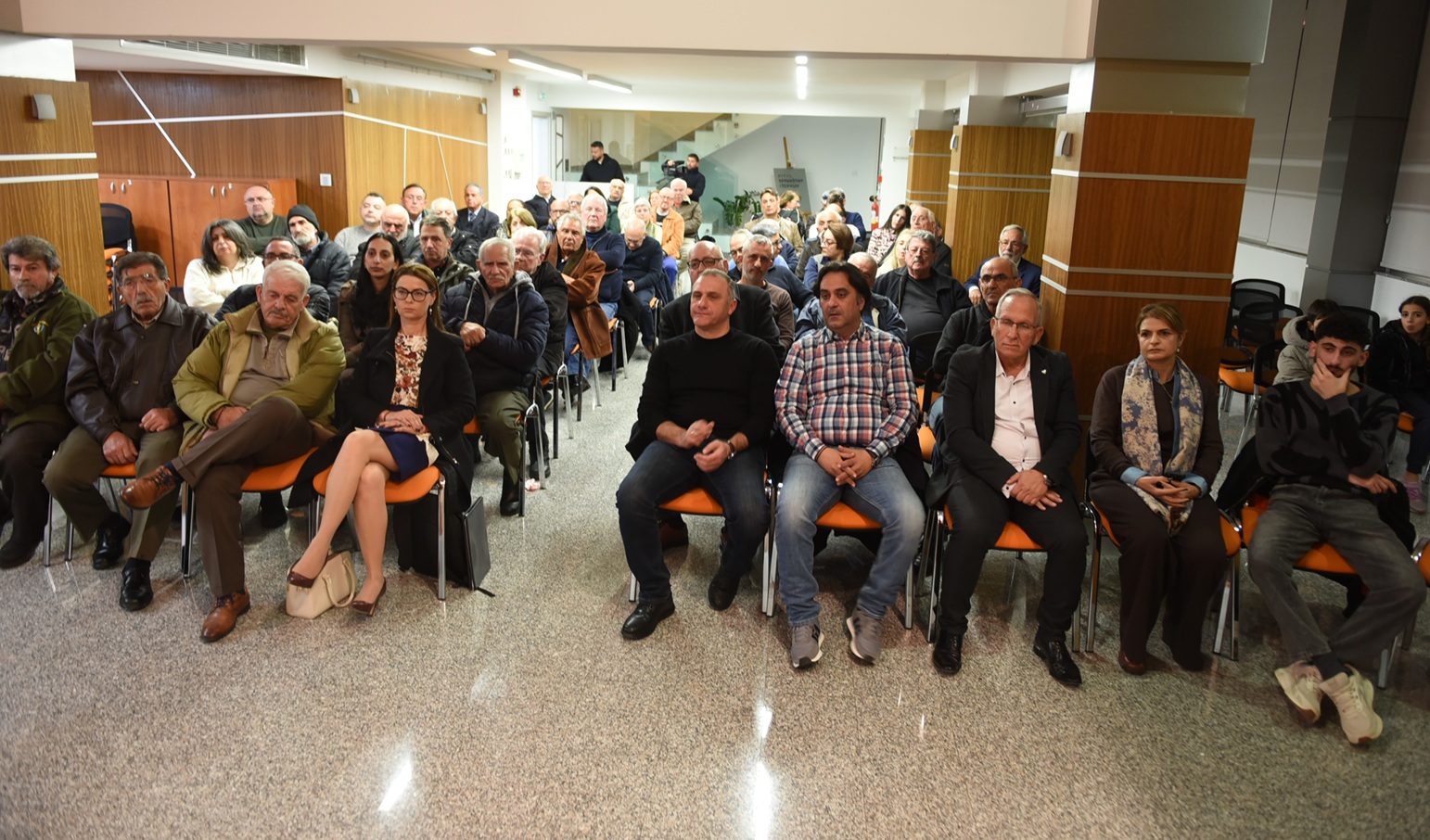
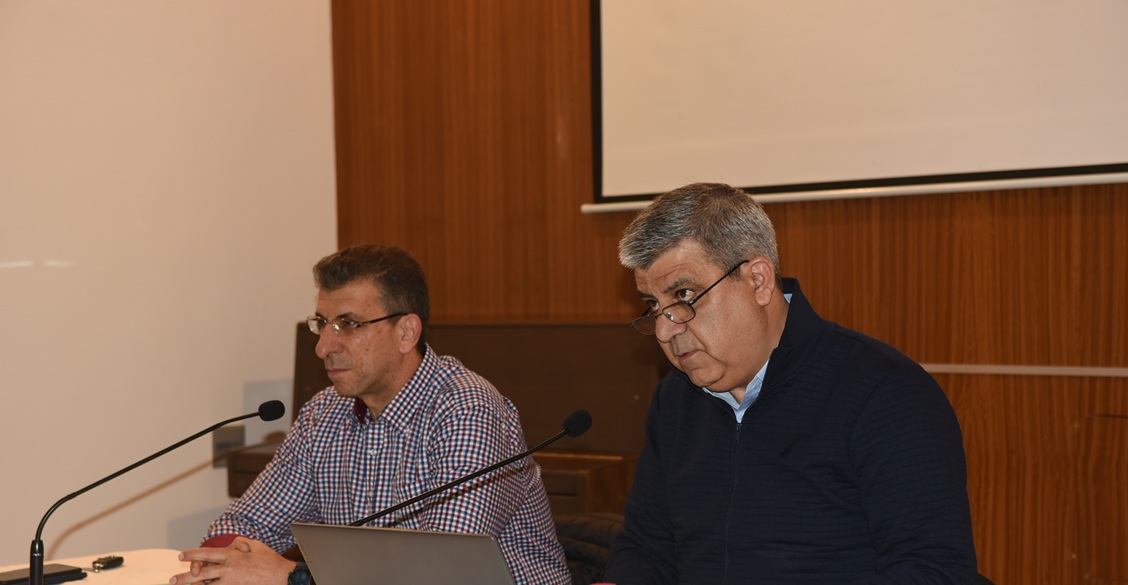
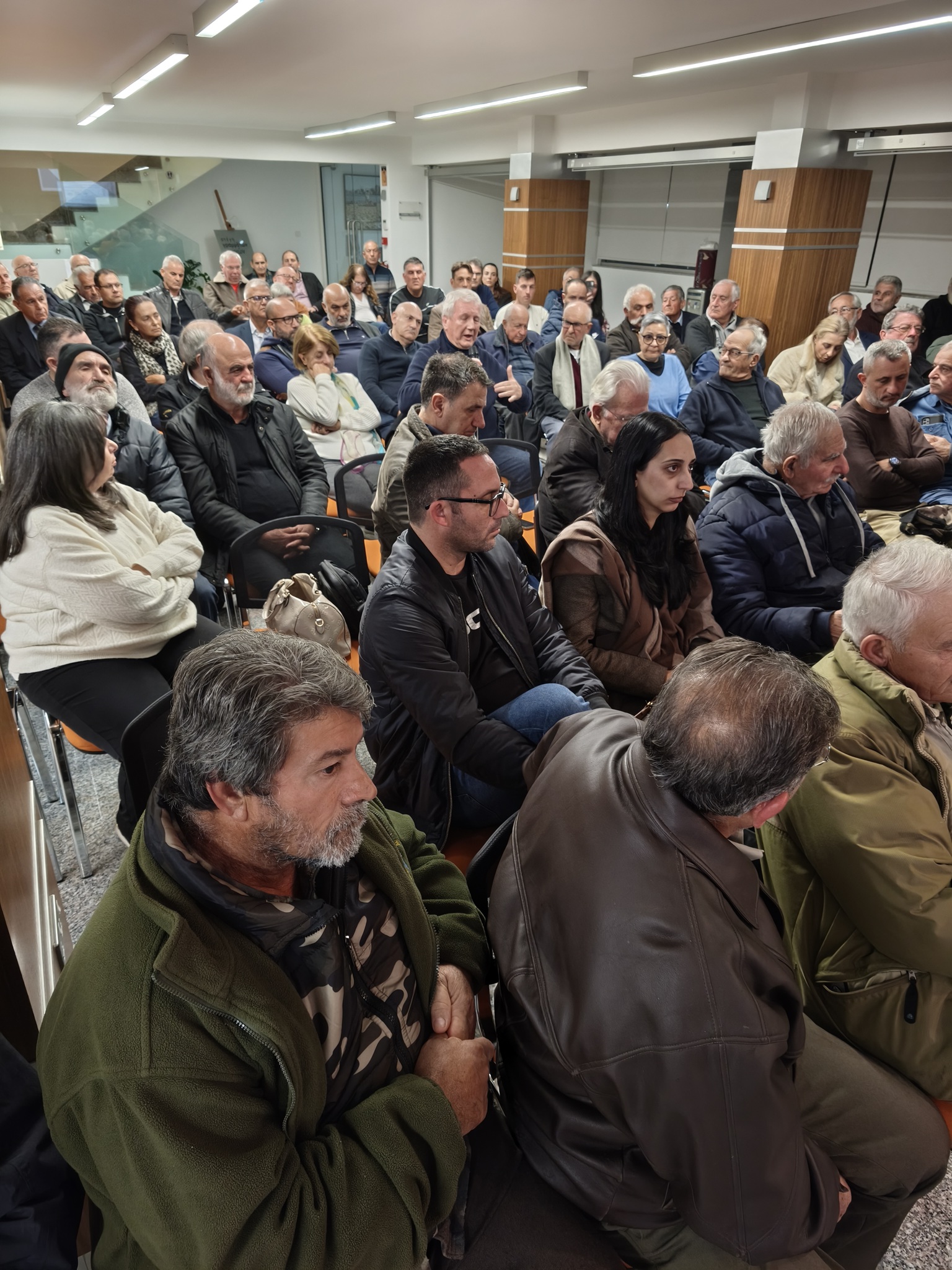
Κατάμεστη ήταν η αίθουσα της Στέγης Γραμμάτων και Τεχνών στην Λάρνακα κατά την παρουσίαση της διάλεξης του Διδάκτωρ Ιστορίας του Πανεπιστημίου Κύπρου, Άγγελου Χρυσοστόμου, ο οποίος παρουσίασε την δράση της 31 ης Μοίρας Καταδρομών (31 ΜΚ) το 1974. Η εκδήλωση που εντάσσεται στο πλαίσιο του θεσμού του Ζηνώνειου Ελεύθερου Πανεπιστημίου, προσέλκυσε σημαντικό αριθμό παρευρισκόμενών, ένεκα της θεματικής της, αλλά και των γεγονότων Ιουλίου και Αυγούστου του 1974.
Η διάλεξη ανέδειξε άγνωστες ιστορικές πτυχές μέσα από μαρτυρίες καταδρομέων και
επίσημες γραπτές πηγές. Ο κ. Χρυσοστόμου προέβη σε σύντομη αναφορά στο ιστορικό της Μοίρας, με κύρια εστίαση στη δράση της κατά την κρίσιμη περίοδο του 1974. Η 31 ΜΚ, με έδρα την Αθαλάσσα στο στρατόπεδο Ηλία Παπακυριακού, ξεκίνησε από τη βάση της για να συμμετάσχει στα γεγονότα της 15ης Ιουλίου 1974.
Μετά την ολοκλήρωση του πραξικοπήματος και τη μεταστάθμευσή της στον χώρο
στρατωνισμού του Εφεδρικού Σώματος παρά το Γ.Ε.Ε.Φ., κινήθηκε προς τον Πενταδάκτυλο, όπου ενεπλάκη σε μάχες πρωταρχικής σημασίας. Ιδιαίτερη αναφορά έγινε στη συμμετοχή της 31 ΜΚ, μαζί με τις 33 ΜΚ και 32 ΜΚ, στην εφαρμογή του σχεδίου «Λαβίδα», δηλαδή στον έλεγχο της
διάβασης της Αγύρτας. Παράλληλα, παρουσιάστηκαν σημαντικές επιχειρησιακές στιγμές που
συνδέθηκαν με τα υψώματα Κοτζά-Καγιά, 126, την Αετοφωλιά, τον Καραβά και το Πιλέρι, όπου η Μοίρα κατέγραψε σελίδες ηρωισμού και αυτοθυσίας.
Στις 23 Ιουλίου 1974, η Μοίρα έλαβε διαταγή επιστροφής και ανασύνταξης στη βάση της, πλην του 11ου Λόχου Κρούσεως, ο οποίος παρέμεινε στην περιοχή του Καραβά, συνεχίζοντας την εμπλοκή με τις τουρκικές δυνάμεις. Στις 31 Ιουλίου 1974 διατάχθηκε να κινηθεί προς τα Πάναγρα, όπου έλαβε αμυντική διάταξη και συμμετείχε σε καθοριστικές συγκρούσεις, με πλέον σημαντική τη μάχη στο ύψωμα 1023 στις 2 Αυγούστου 1974.
Αργότερα και συγκεκριμένα στις 10 Αυγούστου 1974, η 31 ΜΚ επέστρεψε στην έδρα της,
παραμένοντας εκεί μέχρι τη β΄ φάση της εισβολής στις 14 Αυγούστου 1974. Ιδιαίτερη μνεία έγινε
στα γεγονότα της 17ης Αυγούστου 1974, όταν άνδρες του 13ου Λόχου Κρούσεως, καθώς και
άνδρες του 12ου Λόχου Κρούσεως και του ΛΥΤ, μαζί με άνδρες της 23 ΕΜΑ και τρεις άνδρες του
361 ΤΠ, οχυρώθηκαν εντός του χωριού Πυρόι και από τις 10:30 έως τις 17:00 αντιμετώπισαν με
γενναιότητα πολυάριθμες τουρκικές δυνάμεις που επιτίθεντο από το όρος Αθηένου.
Η διάλεξη ολοκληρώθηκε με αναφορά σε λιγότερο γνωστές πτυχές της δράσης της 31 ΜΚ, όπως
αυτές καταγράφονται τόσο στις προφορικές διηγήσεις των καταδρομέων όσο και σε τεκμήρια που φυλάσσονται στη Διεύθυνση Ιστορίας της Εθνικής Φρουράς, συμβάλλοντας ουσιαστικά στη
διατήρηση της ιστορικής μνήμης και στην τεκμηρίωση της σύγχρονης κυπριακής ιστορίας. Μετά το πέρας της διάλεξης, ακολούθησε ζωηρή συζήτηση με το κοινό την οποία συντόνισε ο
Αντιστράτηγος Άνθιμος Ιωάννου.
PRESS RELEASE
The Action of the 31st Commando Battalion in 1974
Dr. of History Angelos Chrysostomou at the Zenon Free University
The hall of the Municipal Cultural Centre of Letters and Arts in Larnaca was filled to capacity during the lecture delivered by Dr. of History at the University of Cyprus, Angelos Chrysostomou, who presented the action of the 31st Commando Battalion (31 MK) in 1974. The event, held within the framework of the Zenon Free University institution, attracted a large audience due to its subject matter and the historic events of July and August 1974.
The lecture highlighted lesser-known historical aspects through testimonies of commandos and official written sources. Dr. Chrysostomou made a brief reference to the history of the Battalion, focusing mainly on its action during the critical period of 1974. The 31st Commando Battalion, headquartered in Athalassa at the Elias Papakyriakou Camp, departed from its base to take part in the events of 15 July 1974.
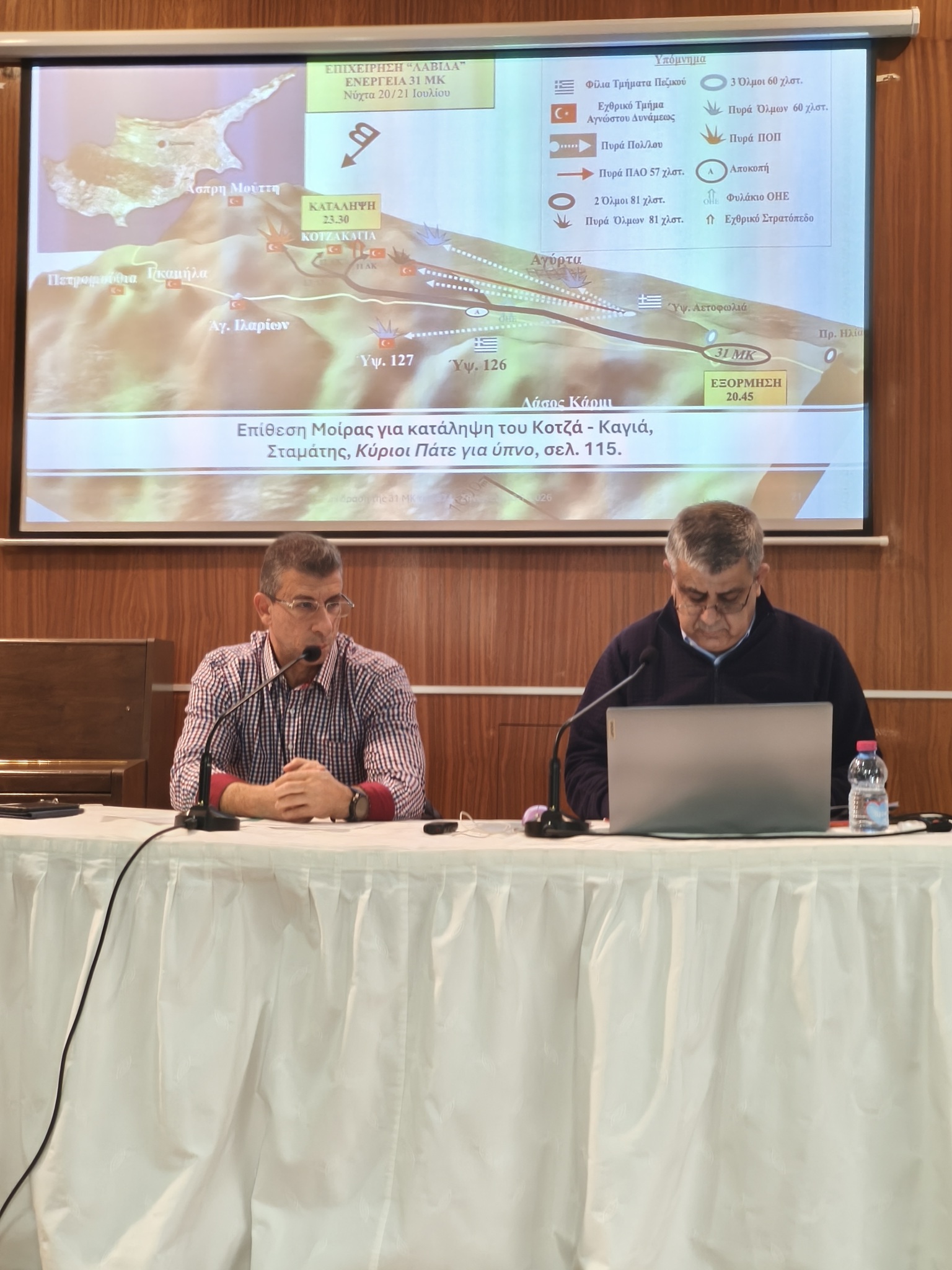
Following the completion of the coup and its redeployment to the encampment area of the Reserve Corps near the General Staff of the National Guard (GEEF), the Battalion moved towards the Pentadaktylos mountain range, where it became involved in battles of primary importance. Special reference was made to the participation of the 31st Commando Battalion, together with the 33rd and 32nd Commando Battalions, in the implementation of the “Lavida” plan, namely the control of the Aghyrta pass. At the same time, significant operational moments were presented, linked to the heights of Kotza-Kagia, Hill 126, Aetofolia, Karavas and Pileri, where the Battalion recorded pages of heroism and self-sacrifice.
On 23 July 1974, the Battalion received orders to return and regroup at its base, with the exception of the 11th Assault Company, which remained in the Karavas area, continuing its engagement with Turkish forces. On 31 July 1974, it was ordered to move towards Panagra, where it assumed defensive positions and took part in decisive clashes, the most significant being the battle at Hill 1023 on 2 August 1974.
Later, on 10 August 1974, the 31st Commando Battalion returned to its headquarters, remaining there until the second phase of the invasion on 14 August 1974. Special mention was made of the events of 17 August 1974, when men of the 13th Assault Company, as well as men of the 12th Assault Company and the LYΤ, together with members of the 23rd EMA and three soldiers of the 361st Infantry Battalion, entrenched themselves within the village of Pyroi and, from 10:30 to 17:00, bravely confronted numerous Turkish forces attacking from the Athienou mountain.
The lecture concluded with references to less widely known aspects of the action of the 31st Commando Battalion, as recorded both in the oral testimonies of the commandos and in archival material preserved at the Directorate of History of the National Guard, contributing substantially to the preservation of historical memory and the documentation of modern Cypriot history. After the lecture, a lively discussion with the audience followed, moderated by Lieutenant General Anthimos Ioannou.