Text follows in English
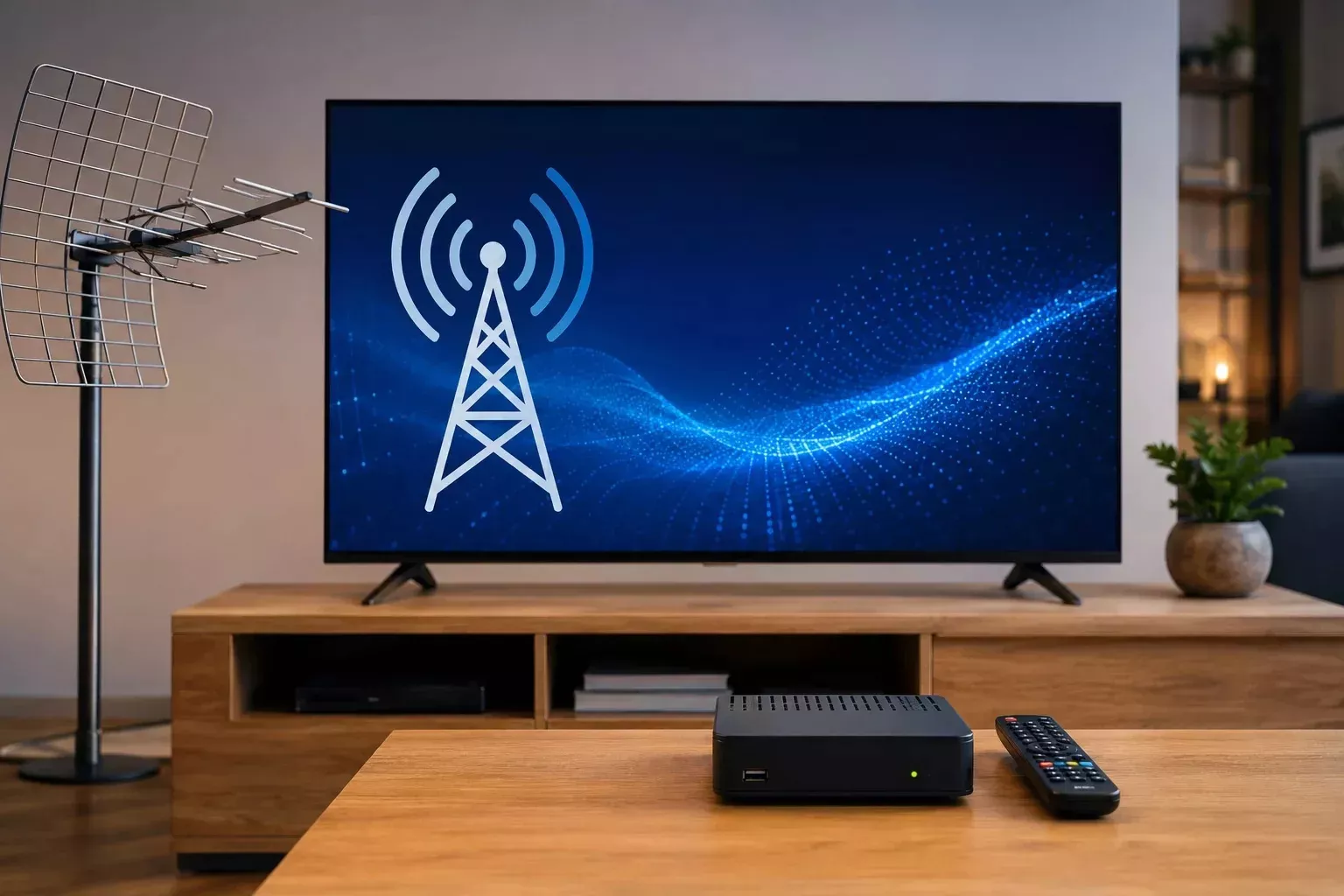
Με σωρεία προβλημάτων και παραπόνων άρχισε από την πρώτη ημέρα του Ιουλίου η διαδικασία μετάβασης της επίγειας ψηφιακής τηλεόρασης στη νέα τεχνολογία DVB-T2 από το δίκτυο της Hellas Sat. Παρά την επικοινωνιακή προσπάθεια που έγινε από το Υφυπουργείο Έρευνας, Καινοτομίας και Ψηφιακής Πολιτικής, η οποία υπόκειται σε κριτική, καθώς και αυτοκριτική, τα κυπριακά νοικοκυριά, εκ του αποτελέσματος, δεν ήταν έτοιμα για αυτή τη μεγάλη αλλαγή. Αντιθέτως, αυτό που προκύπτει μετά από την αξιολόγηση των γεγονότων 12 μέρες αργότερα, είναι ότι η κοινωνία ήταν ελλιπώς ενημερωμένη, χωρίς αυτό να σημαίνει ότι και οι ίδιοι οι πολίτες είναι άμοιροι ευθυνών.
Προς τιμήν του, το Υφυπουργείο παραδέχτηκε ευθέως ότι το -απαραίτητο κατά τα άλλα- εγχείρημα στέφθηκε με αποτυχία σε πρώτη φάση. Σε δημόσιες δηλώσεις του ο Υφυπουργός Νικόδημος Δαμιανού αναγνώρισε ανοιχτά τη δυσφορία των πολιτών και αποδέχτηκε ότι οι τεχνικοί του Υπουργείου και ο ανάδοχος δεν κατάφεραν να προβλέψουν και να εκτιμήσουν το μέγεθος του προβλήματος. Ο ίδιος υποστήριξε ότι το ζήτημα είναι καθαρά τεχνικό και εντοπίζεται στις μη ικανοποιητικές εσωτερικές εγκαταστάσεις πολλών σπιτιών.
Ως άμεσο μέτρο ανακούφισης, ο κ. Δαμιανού γνωστοποίησε την Τετάρτη ότι είχε ήδη ζητήσει την επαναφορά της πλατφόρμας Velister για κάποιο χρονικό διάστημα. Στόχος να δοθεί και άλλος χρόνος στους καταναλωτές να συντονιστεί και να προσαρμοστεί με τη νέα πραγματικότητα. Την Παρασκευή ανακοινώθηκε και επίσημα ότι τίθεται σε λειτουργία παράλληλη μετάδοση από Velister και Hellas Sat. Επί της ουσίας, η κατάσταση θα παραμείνει για ακόμα τρεις μήνες ως είχε και το προηγούμενο τρίμηνο, όπου η νέα τεχνολογία DVB-T2 ήταν σε δοκιμαστική φάση. Δηλαδή θα εκπέμπουν την ίδια ώρα τόσο ο πομπός της Velister, όσο και αυτός της Hellas Sat.
«Μαύρισαν» οι οθόνες
Από τις πρώτες κιόλας ώρες που σταμάτησε η λειτουργία του πομπού της Velister, τα παράπονα έπεφταν σαν βροχή από πολίτες που πλέον έβλεπαν μαύρο στις τηλεοράσεις τους. Παρά τις προσπάθειες του Υφυπουργείου για ενημέρωση σε σχέση με τα βήματα που θα έπρεπε να είχαν γίνει πριν από την 1η Ιουλίου, η μέρα της αλλαγής έφτασε και ο κόσμος δεν είχε ακόμα φροντίσει να συντονιστεί. Οι απόψεις διίστανται αναφορικά με τις ευθύνες, αφού από τη μία εκ του αποτελέσματος η επικοινωνιακή εκστρατεία του Υφυπουργείο απέτυχε, από την άλλη όμως για πολλούς ευθύνη έχουν και οι ίδιοι οι Κύπριοι καταναλωτές που παραμένουν στη νοοτροπία της «τελευταίας στιγμής».
Αυτό το οποίο είναι δεδομένο και δεν τίθεται υπό αμφισβήτηση από κανένα, είναι το γεγονός ότι η διαχείριση των ραδιοσυχνοτήτων είναι εθνικός πλούτος. Επομένως, το κράτος έχει την υποχρέωση να διασφαλίζει τη λήψη του τηλεοπτικού σήματος χωρίς κόστος στους καταναλωτές.
Τι πήγε λάθος;
Στην προσπάθεια ειδικών να εντοπίσουν τα λάθη τα οποία έγιναν πριν φτάσουμε στο σημερινό αρνητικό αποτέλεσμα, το μέλος της επιτροπής ειδικότητας ηλεκτρονικής και πληροφορικής στο ΕΤΕΚ, Χάρης Παφίτης, κατέθεσε τις δικές του απόψεις. Μιλώντας στο κρατικό ραδιόφωνο, ανέφερε ότι η καμπάνια του Υφυπουργείο δημιουργούσε μια αίσθηση εφησυχασμού στο κοινό. Κατά την κρίση του, παραγνωρίστηκε ένα στοιχείο που χαρακτηρίζει τον Κύπριο πολίτη. Η τάση του να αναμένει την τελευταία στιγμή για να προβεί σε ενέργειες που ενδεχομένως να είναι απαραίτητες.
Ο κ. Παφίτης υποστήριξε ότι η καμπάνια, με τον τρόπο που έγινε, έδινε την εντύπωση ότι τίποτε δεν θα αλλάξει, απλώς θα γινόταν επανασυντονισμός των δεκτών. Ως αποτέλεσμα, κόσμος εφησυχάστηκε.
Αναφέρθηκε επίσης και στον πανικό που δημιουργήθηκε λόγω ελλιπούς ενημέρωσης, αφού όσοι δεν έβλεπαν τηλεόραση την 1η Ιουλίου έσπευσαν να αγοράσουν αποκωδικοποιητή, ενώ στις πλείστες περιπτώσεις δεν χρειαζόταν καν, αφού το ζήτημα θα μπορούσε να λυθεί με μια απλή ρύθμιση της κεραίας ή της τηλεόρασης.
Ολόκληρο το ρεπορτάζ στον Φ: https://www.philenews.com/kipros/koinonia/article/1744527/tileorasis-aprovivasto-stin-proti-apopira-metavasis-apokodikopiites-apo-e18-sta-e35-ilikiomeni-edose-e160-gia-dio-pos-apanta-o-ifipourgos-stis-epikrisis/
Televisions: Failure at the first attempt of transition – Set-top boxes increased from €18 to €35, elderly woman paid €160 for two – Deputy Minister responds to criticism
With a series of problems and complaints, the transition of terrestrial digital television to the new DVB-T2 technology through the Hellas Sat network began on the first day of July. Despite the communication campaign carried out by the Deputy Ministry of Research, Innovation and Digital Policy — which has faced criticism, as well as self-criticism — Cypriot households, judging by the outcome, were not prepared for this major change. On the contrary, what emerges from an assessment of the situation 12 days later is that society was insufficiently informed, without this meaning that citizens themselves bear no responsibility.
To its credit, the Deputy Ministry openly admitted that the — otherwise necessary — project failed at its initial stage. In public statements, Deputy Minister Nikodemos Damianou acknowledged citizens’ dissatisfaction and accepted that the Ministry’s technicians and the contractor had failed to anticipate and assess the scale of the problem. He argued that the issue is purely technical and is linked to inadequate internal installations in many homes.
As an immediate relief measure, Mr Damianou announced on Wednesday that he had already requested the temporary reinstatement of the Velister platform. The aim was to give consumers additional time to tune their devices and adapt to the new reality. On Friday, it was officially announced that parallel broadcasting by Velister and Hellas Sat would be put into operation. Essentially, the situation will remain as it was during the previous three-month period, when the new DVB-T2 technology was in its testing phase. This means that both the Velister transmitter and the Hellas Sat transmitter will broadcast simultaneously.
Screens “went black”
From the very first hours after the Velister transmitter stopped operating, complaints poured in from citizens who were suddenly faced with black screens on their televisions. Despite the Deputy Ministry’s efforts to inform the public about the steps that should have been taken before July 1, the day of the transition arrived and many people had still not taken the necessary action to retune their devices. Opinions differ regarding responsibility: on the one hand, the communication campaign of the Deputy Ministry appears to have failed based on the outcome; on the other hand, many argue that Cypriot consumers themselves are also responsible, as they continue to follow a “last-minute” mentality.
What is certain and undisputed is that radio frequency management constitutes national wealth. Therefore, the state has an obligation to ensure access to the television signal without cost to consumers.
What went wrong?
In an effort by experts to identify the mistakes made before reaching the current negative outcome, Charis Pafitis, a member of the Electronic and Computer Engineering Specialisation Committee of ETEK (Scientific and Technical Chamber of Cyprus), presented his views. Speaking on state radio, he said that the Deputy Ministry’s campaign created a sense of complacency among the public. In his view, one characteristic of Cypriot consumers was overlooked: the tendency to wait until the last moment before taking actions that may be necessary.
Mr Pafitis argued that the campaign, in the way it was carried out, gave the impression that nothing significant would change and that only a simple retuning of receivers would be required. As a result, many people became complacent.
He also referred to the panic that was created due to insufficient information, as those who found they could not watch television on July 1 rushed to purchase set-top boxes, while in most cases this was not even necessary, since the issue could have been resolved with a simple adjustment of the antenna or television settings.
Read the full report in Phileleftheros:
https://www.philenews.com/kipros/koinonia/article/1744527/tileorasis-aprovivasto-stin-proti-apopira-metavasis-apokodikopiites-apo-e18-sta-e35-ilikiomeni-edose-e160-gia-dio-pos-apanta-o-ifipourgos-stis-epikrisis/