Text follows in English
Της Συντακτικής Ομάδας του SkalaTimes
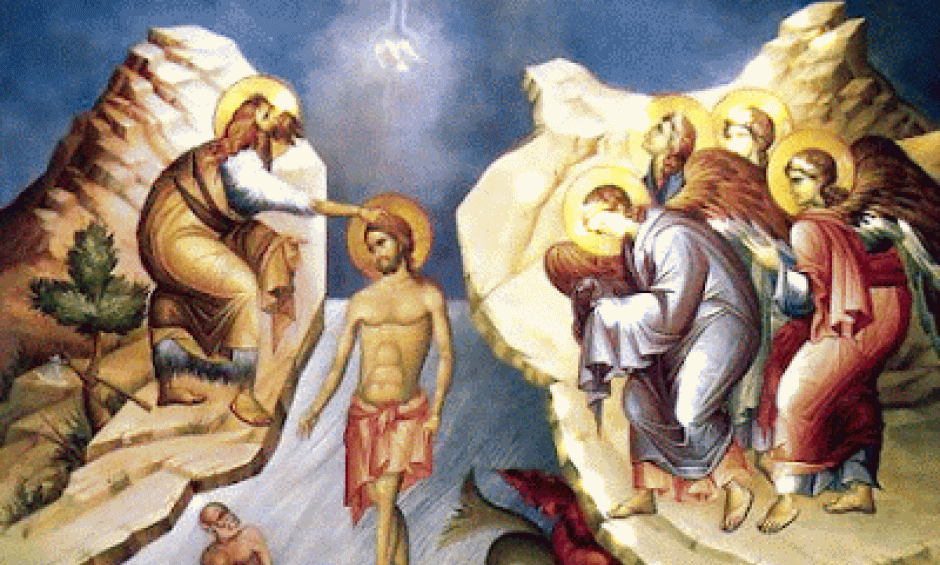
Τα Θεοφάνεια, γνωστά στον λαό ως «Φώτα», αποτελούν μία από τις σημαντικότερες εορτές της Ορθόδοξης Εκκλησίας και γιορτάζονται κάθε χρόνο στις 6 Ιανουαρίου. Είναι η ημέρα κατά την οποία η Εκκλησία τιμά και θυμάται τη Βάπτιση του Ιησού Χριστού στον ποταμό Ιορδάνη από τον Άγιο Ιωάννη τον Πρόδρομο. Σύμφωνα με τη χριστιανική πίστη, κατά τη στιγμή της Βάπτισης φανερώθηκε για πρώτη φορά η Αγία Τριάδα: ο Υιός βαπτιζόταν, το Άγιο Πνεύμα κατέβαινε με μορφή περιστεριού και η φωνή του Πατέρα ακούστηκε από τον ουρανό. Από αυτό το γεγονός προέρχεται και η ονομασία «Θεοφάνεια».
Η γιορτή των Φώτων συμβολίζει τον φωτισμό του ανθρώπου, την κάθαρση της ψυχής και την ανανέωση. Το νερό έχει πρωταγωνιστικό ρόλο, καθώς θεωρείται αγιασμένο και φορέας ευλογίας. Ανήμερα των Θεοφανείων τελείται ο Μεγάλος Αγιασμός των Υδάτων, τόσο στους ναούς όσο και στη φύση, σε θάλασσες, ποτάμια και λίμνες.
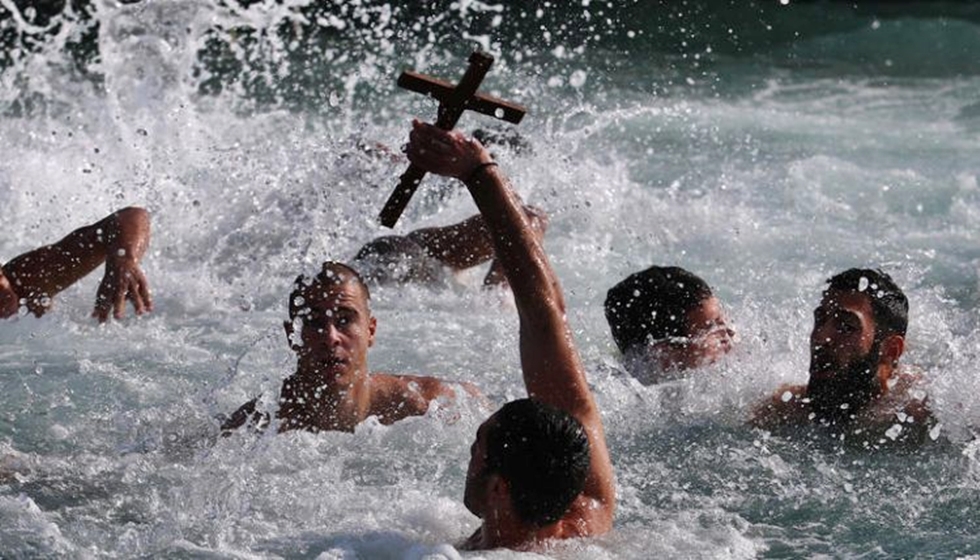
Σε Ελλάδα και Κύπρο, ο αγιασμός κορυφώνεται με την καθιερωμένη ρίψη του Τιμίου Σταυρού στη θάλασσα. Νέοι –και όχι μόνο– βουτούν στα παγωμένα νερά για να τον ανασύρουν, σε μια πράξη πίστης, ανδρείας και ευλογίας. Όποιος πιάσει τον Σταυρό θεωρείται ότι θα έχει υγεία και καλοτυχία για όλη τη χρονιά. Το έθιμο αυτό αναβιώνει σχεδόν σε κάθε παραθαλάσσια περιοχή της χώρας.
Στην Κύπρο, τα Θεοφάνεια γιορτάζονται με ιδιαίτερη κατάνυξη. Ο αγιασμός των υδάτων πραγματοποιείται σε λιμάνια, φράγματα και ακτές, ενώ η συμμετοχή του κόσμου παραμένει έντονη. Σε πολλές περιοχές, οι πιστοί παίρνουν αγιασμό στο σπίτι για να ραντίσουν τους χώρους τους, πιστεύοντας ότι απομακρύνει το κακό και φέρνει ευλογία για τη νέα χρονιά.
Ιδιαίτερο ενδιαφέρον παρουσιάζουν και τα λαϊκά έθιμα που συνδέονται με τις ημέρες από τα Χριστούγεννα έως τα Φώτα. Σύμφωνα με τη λαϊκή παράδοση τόσο στην Κύπρο όσο και στην Ελλάδα, οι καλικάντζαροι –μυθικά πλάσματα που προκαλούν αναστάτωση– εμφανίζονται το Δωδεκαήμερο και εξαφανίζονται με τον αγιασμό των υδάτων. Για να τους «ξεγελάσουν» ή να τους διώξουν, οι άνθρωποι ανέπτυξαν διάφορα έθιμα, όπως το άναμμα φωτιάς, το λιβάνισμα των σπιτιών και την παρασκευή γλυκισμάτων.
Στην Κύπρο, ξεχωρίζει το έθιμο της παρασκευής λουκουμάδων την παραμονή των Φώτων. Οι λουκουμάδες προσφέρονταν συμβολικά στους καλικάντζαρους, ώστε να φύγουν και να πάψουν να ενοχλούν τα σπίτια. Παρόμοιες παραδόσεις συναντάμε και στην ελληνική ύπαιθρο, όπου γλυκίσματα ή φαγητά αφήνονταν έξω από τα σπίτια για τον ίδιο σκοπό.
Τα Φώτα σηματοδοτούν και το τέλος της εορταστικής περιόδου. Τα στολίδια των Χριστουγέννων μαζεύονται, οι καλικάντζαροι «φεύγουν» και η καθημερινότητα επιστρέφει, όμως με μια αίσθηση πνευματικής ανανέωσης. Είναι μια γιορτή που ενώνει τη θρησκευτική πίστη με τη λαϊκή παράδοση, διατηρώντας ζωντανά έθιμα αιώνων τόσο στην Κύπρο όσο και στην Ελλάδα.
Σε μια εποχή που πολλά αλλάζουν, τα Θεοφάνεια παραμένουν μια υπενθύμιση της ανάγκης για φως – εσωτερικό και συλλογικό – και για σύνδεση με τις ρίζες και την πολιτιστική μας κληρονομιά.
Epiphany (The Lights): A Celebration of Light, Purification and Tradition in Cyprus and Greece
By the Editorial Team of SkalaTimes
Epiphany, popularly known as “The Lights”, is one of the most important feasts of the Orthodox Church and is celebrated every year on January 6. It is the day on which the Church honors and commemorates the Baptism of Jesus Christ in the River Jordan by Saint John the Baptist. According to Christian belief, at the moment of the Baptism the Holy Trinity was revealed for the first time: the Son was being baptized, the Holy Spirit descended in the form of a dove, and the voice of the Father was heard from heaven. This event is the origin of the name “Theophany” (Epiphany), meaning the manifestation of God.
The Feast of the Lights symbolizes the enlightenment of humankind, the purification of the soul, and spiritual renewal. Water plays a central role, as it is considered sanctified and a bearer of blessing. On the day of Epiphany, the Great Blessing of the Waters is performed, both in churches and in nature—at seas, rivers, and lakes.
In Greece and Cyprus, the blessing culminates in the traditional casting of the Holy Cross into the sea. Young people—and not only—dive into the icy waters to retrieve it, in an act of faith, courage, and devotion. Whoever retrieves the Cross is believed to be granted health and good fortune for the entire year. This custom is revived in almost every coastal area of the country.
In Cyprus, Epiphany is celebrated with particular reverence. The blessing of the waters takes place at ports, dams, and coastlines, with strong public participation. In many areas, believers take holy water home to sprinkle their spaces, believing it wards off evil and brings blessings for the new year.
Of special interest are the folk customs associated with the period from Christmas to Epiphany. According to popular tradition in both Cyprus and Greece, the kalikantzari—mythical creatures said to cause mischief—appear during the Twelve Days of Christmas and disappear with the blessing of the waters. To “trick” or drive them away, people developed various customs, such as lighting fires, burning incense in homes, and preparing sweets.
In Cyprus, a distinctive custom is the making of loukoumades on the eve of Epiphany. These honey fritters were symbolically offered to the kalikantzari so that they would leave and stop disturbing households. Similar traditions can be found in rural Greece, where sweets or food were left outside homes for the same purpose.
Epiphany also marks the end of the festive season. Christmas decorations are taken down, the kalikantzari “depart,” and everyday life resumes—yet with a sense of spiritual renewal. It is a celebration that unites religious faith with folk tradition, keeping centuries-old customs alive in both Cyprus and Greece.
In an era of constant change, Epiphany remains a reminder of the need for light—both inner and collective—and for a connection to our roots and cultural heritage.