Text follows in English
Της Συντακτικής Ομάδας του SkalaTimes
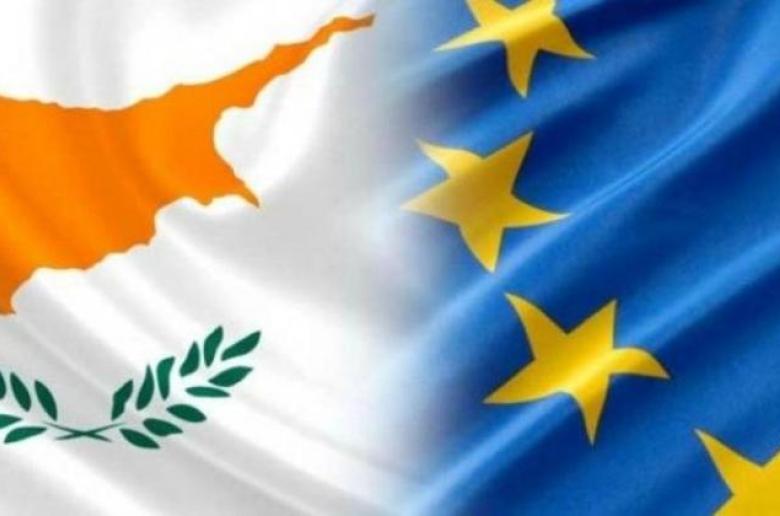
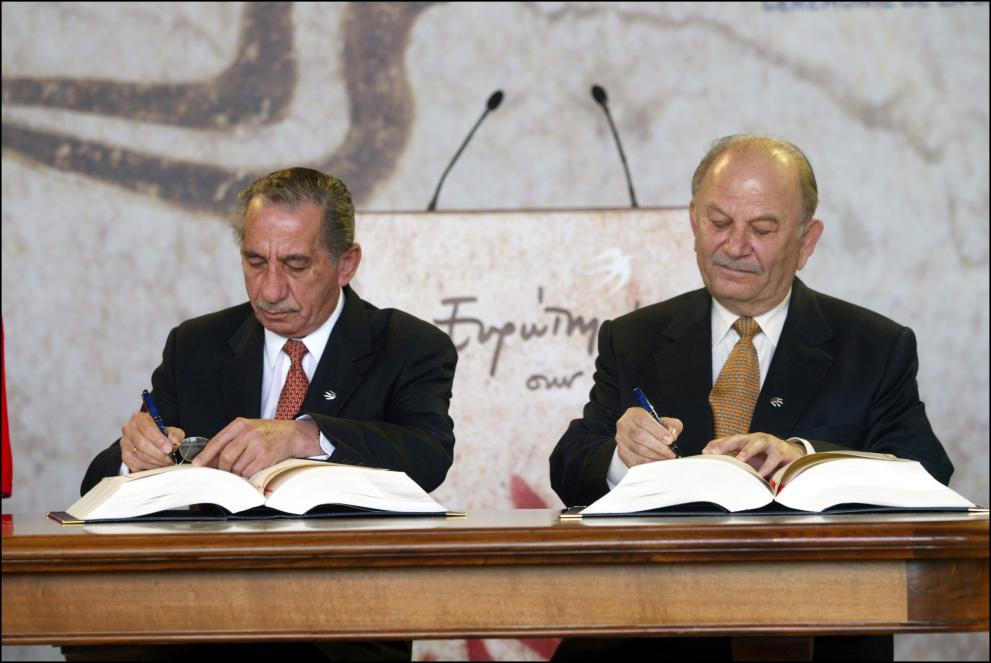
Η ένταξη της Κυπριακής Δημοκρατίας στην Ευρωπαϊκή Ένωση το 2004 παρουσιάστηκε ως ιστορικό ορόσημο: μια μικρή χώρα, με ανοιχτή πληγή την κατοχή, αποκτούσε θεσμική «ασπίδα», οικονομικές ευκαιρίες και φωνή σε ένα ισχυρό υπερεθνικό πλαίσιο. Είκοσι και πλέον χρόνια μετά, ο απολογισμός παραμένει σύνθετος. Η σχέση Κύπρου – ΕΕ κινείται ανάμεσα σε πραγματικά οφέλη και σε σοβαρές πολιτικές και κοινωνικές αντιφάσεις.
Αναμφίβολα, η ΕΕ προσέφερε στην Κύπρο σημαντικά εργαλεία σταθερότητας. Η ένταξη στην ευρωζώνη, παρά τις δυσκολίες που ακολούθησαν, ενίσχυσε τη νομισματική ασφάλεια και τη διεθνή αξιοπιστία της χώρας. Παράλληλα, ευρωπαϊκά κονδύλια στήριξαν έργα υποδομής, περιβαλλοντικά προγράμματα, την αγροτική παραγωγή, την εκπαίδευση και την ψηφιακή μετάβαση. Για χιλιάδες νέους και νέες, τα προγράμματα κινητικότητας όπως το Erasmus+ άνοιξαν ορίζοντες γνώσης, εμπειριών και εργασιακών ευκαιριών.
Σε θεσμικό επίπεδο, το ευρωπαϊκό κεκτημένο συνέβαλε –τουλάχιστον σε επίπεδο νομοθεσίας– στην ενίσχυση των δικαιωμάτων των εργαζομένων, της ισότητας των φύλων και της περιβαλλοντικής προστασίας. Η Κύπρος υποχρεώθηκε να προσαρμοστεί σε ένα πλαίσιο κανόνων που, θεωρητικά, περιορίζει αυθαιρεσίες και ενισχύει τη διαφάνεια.
Ωστόσο, η πραγματικότητα δεν είναι μονοδιάστατη. Η πιο τραυματική στιγμή της ευρωπαϊκής πορείας της Κύπρου ήρθε το 2013, με το «κούρεμα» καταθέσεων. Η απόφαση των ευρωπαϊκών θεσμών και του Eurogroup να μετακυλήσουν το βάρος της τραπεζικής κρίσης στους πολίτες αποτέλεσε ένα ηχηρό πλήγμα στην κοινωνική συνοχή και ανέδειξε την ταξική μεροληψία των ευρωπαϊκών οικονομικών πολιτικών. Οι μικροκαταθέτες, οι εργαζόμενοι και οι μικρομεσαίοι πλήρωσαν το τίμημα ενός συστήματος που επί χρόνια ευνοούσε την ανεξέλεγκτη χρηματοπιστωτική κερδοσκοπία.
Από μια πιο ανθρωπιστική πλευρά υπερ των λαών, η ΕΕ εμφανίζεται συχνά περισσότερο ως ένωση αγορών παρά ως ένωση λαών. Οι πολιτικές λιτότητας, η εμμονή στη δημοσιονομική πειθαρχία και η περιορισμένη κοινωνική προστασία επιβαρύνουν δυσανάλογα τις μικρές χώρες και τα χαμηλότερα εισοδήματα. Στην Κύπρο, αυτό μεταφράστηκε σε εργασιακή ανασφάλεια, αύξηση του κόστους ζωής και δυσκολία πρόσβασης σε στέγη, ιδιαίτερα για τη νέα γενιά.
Ιδιαίτερη απογοήτευση προκαλεί και η στάση της ΕΕ στο Κυπριακό. Παρά τις διακηρύξεις περί ευρωπαϊκής αλληλεγγύης, η κατοχή ευρωπαϊκού εδάφους από την Τουρκία παραμένει ουσιαστικά χωρίς κόστος για την ίδια. Η Ένωση απέφυγε να ασκήσει πραγματική πολιτική πίεση, επιβεβαιώνοντας ότι τα γεωπολιτικά και οικονομικά συμφέροντα συχνά υπερισχύουν των αρχών.
Τελικά, η ΕΕ για την Κύπρο δεν είναι ούτε σωτήρας, ούτε κάτι απόλυτα αρνητικό
Είναι ένα πεδίο διαρκούς διεκδίκησης. Το ζητούμενο δεν είναι η άκριτη αποδοχή ούτε η εύκολη απόρριψη, αλλά η ενεργή συμμετοχή και η πίεση για μια Ευρώπη πιο κοινωνική, πιο δημοκρατική και πιο συνεπή στις αξίες που διακηρύσσει. Μια Ευρώπη που να υπηρετεί πραγματικά τους ανθρώπους της ΤΟΥΣ ΛΑΟΥΣ – και όχι μόνο τους αριθμούς!
The European Union and Cyprus: Between Gains and Contradictions
By the SkalaTimes Editorial Team
Cyprus’s accession to the European Union in 2004 was presented as a historic milestone: a small country, carrying the open wound of occupation, gaining an institutional “shield,” economic opportunities, and a voice within a powerful supranational framework. More than twenty years on, the balance sheet remains complex. The Cyprus–EU relationship lies somewhere between tangible benefits and deep political and social contradictions.
Undeniably, the EU has provided Cyprus with important tools of stability. Entry into the eurozone—despite the challenges that followed—strengthened monetary security and enhanced the country’s international credibility. At the same time, European funding has supported infrastructure projects, environmental initiatives, agriculture, education, and the digital transition. For thousands of young people, mobility programmes such as Erasmus+ opened new horizons of knowledge, experience, and employment opportunities.
At an institutional level, the EU acquis has contributed—at least on paper—to strengthening workers’ rights, gender equality, and environmental protection. Cyprus was required to align with a regulatory framework that, in theory, curbs arbitrariness and promotes transparency.
However, reality is far from one-dimensional. The most traumatic moment in Cyprus’s European trajectory came in 2013, with the so-called “haircut” on bank deposits. The decision by European institutions and the Eurogroup to shift the burden of the banking crisis onto citizens dealt a severe blow to social cohesion and exposed the class bias of European economic policies. Small depositors, workers, and small and medium-sized enterprises paid the price for a system that for years had favoured unchecked financial speculation.
From a more people-centred, humanitarian perspective, the EU often appears more as a union of markets than a union of peoples. Austerity policies, an obsession with fiscal discipline, and limited social protection disproportionately affect smaller countries and lower-income groups. In Cyprus, this translated into job insecurity, a rising cost of living, and increasing difficulty in accessing housing—particularly for the younger generation.
Particular disappointment is also caused by the EU’s stance on the Cyprus issue. Despite repeated declarations of European solidarity, the occupation of European territory by Turkey remains, in practice, largely cost-free for Ankara. The Union has avoided exerting meaningful political pressure, confirming that geopolitical and economic interests often prevail over proclaimed principles.
Ultimately, for Cyprus, the EU is neither a saviour nor an entirely negative force. It is a field of constant contestation. The challenge is neither uncritical acceptance nor easy rejection, but active participation and sustained pressure for a Europe that is more social, more democratic, and more consistent with the values it claims to uphold—a Europe that truly serves its people, the peoples, and not just the numbers.