Text follows in English
Τη δημιουργία μνημείου στο Ευρωπαϊκό Κοινοβούλιο προς τιμή των θυμάτων και των αγνοουμένων της τουρκικής εισβολής του 1974 στην Κύπρο, ενέκρινε, πριν λίγες ημέρες, με ποσοστό 71% η Ολομέλεια του Ευρωπαϊκού Κοινοβουλίου, υπερψηφίζοντας τροπολογία του Ευρωβουλευτή του ΔΗΣΥ και του ΕΛΚ, Μιχάλη Χατζηπαντέλα.
Συγκεκριμένα, η τροπολογία του κ. Χατζηπαντέλα υπερψηφίστηκε 445 ψήφους υπέρ, 118 κατά και 61 αποχές. Σε ανακοίνωσή του Γραφείου του αναφέρεται ότι «η πρωτοβουλία του κ. Χατζηπαντέλα βρήκε ευρεία υποστήριξη μεταξύ των συναδέλφων του στο Ευρωκοινοβούλιο, στέλνοντας ισχυρό πολιτικό μήνυμα για το Κυπριακό και αναδεικνύοντας παράλληλα την αλληλεγγύη μεταξύ κρατών – μελών».
Όπως αναφέρεται, «μέσω της τροπολογίας που κατέθεσε ο κ. Χατζηπαντέλα, ως σκιώδης εισηγητής για τον Προϋπολογισμό του 2026, κάλεσε το Ευρωπαϊκό Κοινοβούλιο να εξετάσει την κατανομή πόρων για τη χρηματοδότηση του μνημείου για τα θύματα και τους αγνοουμένους της τουρκικής εισβολής».
Προστίθεται ότι «ένα τέτοιο μνημείο στην καρδιά της Ευρώπης θα έχει ισχυρό συμβολισμό, υπενθυμίζοντας σε κάθε Ευρωπαίο επισκέπτη και μέλος του ΕΚ την τραγωδία της Κύπρου, που παραμένει ανοικτή πληγή για την Ευρώπη».
Σε μια πρώτη του δήλωση ο κ. Χατζηπαντέλα ανέφερε ότι «η Ευρώπη οφείλει να θυμάται και να στέκεται δίπλα στα θύματα της τουρκικής εισβολής. Το μνημείο στο ΕΚ θα είναι σύμβολο μνήμης, ευαισθητοποίησης και ιστορικής αλήθειας για όλους τους Ευρωπαίους».
Αντίδραση Κιζιλγιουρέκ στην πρωτοβουλία Χατζηπαντέλα για μνημείο στο Ευρωπαϊκό Κοινοβούλιο
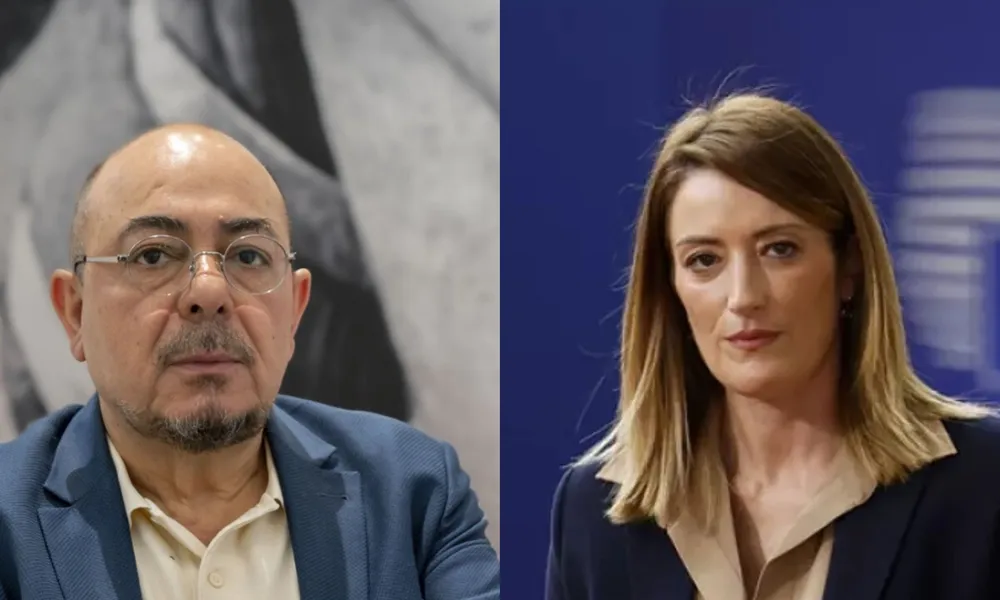
Η πρωτοβουλία του Υπουργού Υγείας Μιχάλη Χατζηπαντέλα, που προκάλεσε συγκίνηση στην ελληνοκυπριακή πλευρά, φαίνεται πως δεν βρήκε θετική ανταπόκριση από τον τέως ευρωβουλευτή του ΑΚΕΛ, Νιαζί Κιζιλγιουρέκ.
Σε επιστολή του προς την πρόεδρο του Ευρωπαϊκού Κοινοβουλίου Ρομπέρτα Μέτσολα, ο κ. Κιζιλγιουρέκ εκφράζει τη διαφωνία του με την πρόσφατη πρωτοβουλία των Κυπρίων ευρωβουλευτών να δημιουργήσουν μνημείο εντός του κτιρίου του Ευρωκοινοβουλίου. Όπως υποστηρίζει, η πρόταση αυτή «δεν συμβάλλει στη συμφιλίωση των δύο κοινοτήτων ούτε στην επανένωση της Κύπρου», καθώς –όπως σημειώνει– «υπονοεί ότι το μνημείο θα είναι αφιερωμένο αποκλειστικά στα θύματα της ελληνοκυπριακής κοινότητας».
«Η πραγματικότητα», αναφέρει χαρακτηριστικά, «είναι ότι υπήρχαν θύματα και αγνοούμενοι και πριν από το 1974 — και η συντριπτική πλειονότητα αυτών ήταν Τουρκοκύπριοι».
Ο πρώην ευρωβουλευτής ζητά το μνημείο να τιμά όλα τα θύματα της κυπριακής τραγωδίας, ανεξαρτήτως κοινότητας, υπενθυμίζοντας παράλληλα στην κ. Μέτσολα τις συχνές δηλώσεις της ότι «η Ευρωπαϊκή Ένωση δεν μπορεί να θεωρηθεί ενωμένη όσο η Κύπρος παραμένει διαιρεμένη».
Ο κ. Κιζιλγιουρέκ δηλώνει ότι συμμερίζεται πλήρως αυτή τη θέση, τονίζοντας πως «η συνεχιζόμενη διαίρεση ενός κράτους μέλους είναι ασυμβίβαστη με τις αρχές πάνω στις οποίες ιδρύθηκε η Ευρωπαϊκή Ένωση – ένα εγχείρημα ειρήνης και συμφιλίωσης».
Επισημαίνει ακόμη ότι χωρίς μια συνολική λύση του Κυπριακού, «ούτε οι Τουρκοκύπριοι ούτε οι Ελληνοκύπριοι μπορούν να επιτύχουν διαρκή ειρήνη και ασφάλεια», προσθέτοντας ότι «η διαιρεμένη Κύπρος αποτελεί εμπόδιο για την περιφερειακή σταθερότητα».
«Είναι καθήκον όλων των μερών – Τουρκοκυπρίων, Ελληνοκυπρίων, της Ε.Ε. και φυσικά της Τουρκίας – να επιμείνουν με αποφασιστικότητα και καλή θέληση στην προσπάθεια για επανένωση και συμφιλίωση του νησιού», υπογραμμίζει.
Αναφέρεται επίσης στον ρόλο της Τουρκίας, σημειώνοντας ότι «πρέπει να ενθαρρυνθεί να συμβάλει εποικοδομητικά στη διαδικασία ειρήνευσης», αλλά προσθέτει ότι «η μεγαλύτερη ευθύνη βαρύνει εμάς, τους Κύπριους».
Ο Νιαζί Κιζιλγιουρέκ υπενθυμίζει πως «ως λαός που έχει υποφέρει από δεκαετίες συγκρούσεων, πραξικοπημάτων και πολέμου, οφείλουμε να βρούμε τον δικό μας δρόμο προς την ειρήνη και την αμοιβαία κατανόηση».
Παράλληλα, παραπέμπει στο ευρωπαϊκό παράδειγμα, σημειώνοντας πως «οι λαοί της Ευρώπης, ύστερα από τις καταστροφές του εθνικισμού και του φασισμού, κατάφεραν να οικοδομήσουν ειρήνη και ενότητα». «Εμείς, οι Κύπριοι», συνεχίζει, «πρέπει να αντλήσουμε έμπνευση από αυτή την ιστορία, να εγκαταλείψουμε τη ρητορική μίσους και να ακολουθήσουμε τον δρόμο της συμφιλίωσης».
Αναφερόμενος τέλος στην πολιτική μνήμης της Ε.Ε., ο πρώην ευρωβουλευτής θυμίζει ότι είχε την τιμή να εισηγηθεί την Έκθεση για την Ευρωπαϊκή Ιστορική Συνείδηση, η οποία εγκρίθηκε το 2024 με μεγάλη πλειοψηφία. Σημειώνει ότι «κύριος στόχος αυτών των πολιτικών είναι η συμφιλίωση και η άντληση διδαγμάτων από τα λάθη του παρελθόντος».
«Η μονομερής απόδοση ευθυνών δεν υπηρετεί ούτε τη δικαιοσύνη ούτε την ειρήνη», τονίζει, προσθέτοντας ότι «αν οι λαοί της Ευρώπης είχαν επιμείνει σε αλληλοκατηγορίες, η ίδια η Ευρωπαϊκή Ένωση δεν θα είχε ποτέ δημιουργηθεί».
Καταλήγοντας, ο κ. Κιζιλγιουρέκ υπογραμμίζει πως «η ειρήνη στην Κύπρο δεν μπορεί να επιτευχθεί μέσα από μονομερείς κατηγορίες» και καλεί Ελληνοκύπριους και Τουρκοκύπριους «να αναγνωρίσουν τα λάθη και τα εγκλήματα του παρελθόντος και να τιμήσουν από κοινού τη μνήμη όλων των θυμάτων».
Αυτούσια η επιστολή:
Madam President,
As you are well aware, Cyprus regrettably remains a divided country within the European Union.
The continuation of this situation is not only contrary to international law but also inconsistent with the fundamental values of humanity and of the European Union itself.
As you have often rightly stated, “European Union cannot be considered united as long as Cyprus remains divided.”
I fully share this conviction. The continued division of a Member State is incompatible with the very principles upon which the European Union — a project of peace and reconciliation — was founded.
Moreover, without a comprehensive settlement of the Cyprus question, neither the Turkish Cypriots nor the Greek Cypriots can achieve lasting peace and security.
A divided Cyprus also constitutes an impediment to regional stability and peace.
For all these reasons, it is incumbent upon all parties — the Turkish Cypriots, the Greek Cypriots, the European Union, and indeed Turkey — to persist, with determination and goodwill, in working towards the reunification and reconciliation of Cyprus.
Turkey, which holds significant influence in the Cyprus peace process, must be encouraged to make a genuine and constructive contribution to this goal.
Nevertheless, the greatest responsibility rests with us, the Cypriots.
As a people who have suffered from decades of ethnic conflict, coup d’état, and war, we must find our own path towards peace and mutual understanding.
The founding history of the European Union should serve — and indeed must serve — as a guiding light in this endeavour.
The peoples of Europe, having endured the disasters brought about by nationalism, ethnic hatred, and fascism, succeeded in building peace and unity.
We, the Cypriots, must draw inspiration from this history, abandon nationalism, enmity, and hate speech, and embrace the path of reconciliation.
In these efforts, we hope and expect to see the European Union standing firmly by our side.
Regrettably, this is not always the case.
The recent initiative by Cypriot Members of the European Parliament to establish a memorial within the Parliament building — as approved by the Budget Committee — unfortunately does not contribute to reconciliation between the two communities or to the reunification of the island.
The proposal in question implies that the memorial would be dedicated solely to the Greek Cypriot victims of the Cyprus tragedy, as stated: “a memorial dedicated to the victims of the Turkish invasion of the Republic of Cyprus, including missing persons.”
However, the reality is that there were also victims and missing persons before 1974 — and the vast majority of those pre-1974 victims and missing persons were Turkish Cypriots.
Madam President,
I am well acquainted with the European Union’s memory policy. Indeed, I had the honour of drafting the report on European Historical Consciousness, which was adopted by a large majority in the Plenary in 2024.
The principal aim of memory policies is to foster reconciliation by drawing lessons from the mistakes of the past.
A one-sided blame game serves neither justice for the victims nor the cause of a peaceful future.
Had the peoples of Europe persisted in mutual recrimination, the European Union itself would never have come into being.
Peace in Cyprus cannot be achieved through unilateral accusations.
It is the shared duty of both Turkish Cypriots and Greek Cypriots to acknowledge and learn from the mistakes and crimes of the past, and to commemorate all the victims of the Cyprus tragedy — irrespective of their community.
I trust that you will do everything within your power to promote this spirit of reconciliation, and I extend to you my highest consideration and respect.
Yours sincerely,
Prof. Dr. Niyazi Kızılyürek
Former Member of the European Parliament
Niyazi Kizilyürek’s letter to Metsola on Hadjipantela’s monument initiative: “It does not contribute to reconciliation between Greek Cypriots and Turkish Cypriots”
A few days ago, the European Parliament Plenary approved, with a 71% majority, the creation of a monument within the European Parliament in honor of the victims and missing persons of the 1974 Turkish invasion of Cyprus, endorsing an amendment proposed by DISY and EPP MEP Michalis Hadjipantela.
Specifically, Mr. Hadjipantela’s amendment was adopted with 445 votes in favor, 118 against, and 61 abstentions. According to a statement from his office, “Mr. Hadjipantela’s initiative received broad support among his colleagues in the European Parliament, sending a strong political message on the Cyprus issue while also highlighting solidarity among EU member states.”
The statement adds that “through his amendment, tabled in his capacity as shadow rapporteur for the 2026 Budget, Mr. Hadjipantela called on the European Parliament to consider allocating funds for the construction of a monument dedicated to the victims and missing persons of the Turkish invasion.”
It further notes that “such a monument, at the heart of Europe, would carry a powerful symbolism, reminding every European visitor and MEP of Cyprus’s ongoing tragedy — an open wound for Europe.”
In his first statement, Mr. Hadjipantela said that “Europe must remember and stand by the victims of the Turkish invasion. The monument at the European Parliament will be a symbol of remembrance, awareness, and historical truth for all Europeans.”
Kizilyürek’s reaction to Hadjipantela’s initiative for a monument in the European Parliament
The initiative by Health Minister Michalis Hadjipantela, which moved the Greek Cypriot side, appears not to have been welcomed by former AKEL MEP Niyazi Kizilyürek.
In a letter to the President of the European Parliament, Roberta Metsola, Mr. Kizilyürek expresses his disagreement with the recent initiative by Cypriot MEPs to establish a monument within the European Parliament building. He argues that this proposal “does not contribute to the reconciliation between the two communities nor to the reunification of Cyprus,” as it “implies that the monument will be dedicated exclusively to the victims of the Greek Cypriot community.”
“The reality,” he stresses, “is that there were victims and missing persons even before 1974 — and the overwhelming majority of those were Turkish Cypriots.”
The former MEP calls for the monument to honor all victims of the Cypriot tragedy, regardless of community, while reminding Ms. Metsola of her frequent statements that “the European Union cannot be considered united as long as Cyprus remains divided.”
Mr. Kizilyürek states that he fully shares this belief, emphasizing that “the ongoing division of a member state is incompatible with the very principles upon which the European Union was founded — a project of peace and reconciliation.”
He further points out that without a comprehensive solution to the Cyprus problem, “neither Turkish Cypriots nor Greek Cypriots can achieve lasting peace and security,” adding that “a divided Cyprus also constitutes an obstacle to regional stability.”
“It is the duty of all parties — Turkish Cypriots, Greek Cypriots, the EU, and of course Turkey — to persist, with determination and goodwill, in the effort toward the reunification and reconciliation of Cyprus,” he stresses.
He also refers to Turkey’s role, noting that “Turkey, which exerts significant influence over the peace process in Cyprus, should be encouraged to contribute constructively and meaningfully to this goal,” while adding that “the greatest responsibility lies with us, the Cypriots.”
Mr. Kizilyürek reminds that “as a people who have suffered from decades of ethnic conflict, coups, and war, we must find our own path toward peace and mutual understanding.”
At the same time, he refers to the European example, noting that “the peoples of Europe, after the devastation caused by nationalism and fascism, managed to build peace and unity.” “We, the Cypriots,” he continues, “must draw inspiration from this history, abandon the rhetoric of hatred, and follow the path of reconciliation.”
Finally, referring to the EU’s memory policy, the former MEP recalls that he had the honor of drafting the Report on European Historical Consciousness, which was approved in 2024 with a large majority. He notes that “the main objective of these memory policies is to promote reconciliation by learning from the mistakes of the past.”
“The unilateral attribution of blame,” he stresses, “serves neither justice for the victims nor the prospects of peace.” He adds that “if the peoples of Europe had insisted on mutual accusations, the European Union itself would never have been created.”
Concluding, Mr. Kizilyürek underlines that “peace in Cyprus cannot be achieved through unilateral accusations,” and calls on both Greek Cypriots and Turkish Cypriots “to acknowledge the mistakes and crimes of the past and to jointly honor the memory of all victims.”
Full letter follows:
Madam President,
As you are well aware, Cyprus regrettably remains a divided country within the European Union.
The continuation of this situation is not only contrary to international law but also inconsistent with the fundamental values of humanity and of the European Union itself.
As you have often rightly stated, “European Union cannot be considered united as long as Cyprus remains divided.”
I fully share this conviction. The continued division of a Member State is incompatible with the very principles upon which the European Union — a project of peace and reconciliation — was founded.
Moreover, without a comprehensive settlement of the Cyprus question, neither the Turkish Cypriots nor the Greek Cypriots can achieve lasting peace and security.
A divided Cyprus also constitutes an impediment to regional stability and peace.
For all these reasons, it is incumbent upon all parties — the Turkish Cypriots, the Greek Cypriots, the European Union, and indeed Turkey — to persist, with determination and goodwill, in working towards the reunification and reconciliation of Cyprus.
Turkey, which holds significant influence in the Cyprus peace process, must be encouraged to make a genuine and constructive contribution to this goal.
Nevertheless, the greatest responsibility rests with us, the Cypriots.
As a people who have suffered from decades of ethnic conflict, coup d’état, and war, we must find our own path towards peace and mutual understanding.
The founding history of the European Union should serve — and indeed must serve — as a guiding light in this endeavour.
The peoples of Europe, having endured the disasters brought about by nationalism, ethnic hatred, and fascism, succeeded in building peace and unity.
We, the Cypriots, must draw inspiration from this history, abandon nationalism, enmity, and hate speech, and embrace the path of reconciliation.
In these efforts, we hope and expect to see the European Union standing firmly by our side.
Regrettably, this is not always the case.
The recent initiative by Cypriot Members of the European Parliament to establish a memorial within the Parliament building — as approved by the Budget Committee — unfortunately does not contribute to reconciliation between the two communities or to the reunification of the island.
The proposal in question implies that the memorial would be dedicated solely to the Greek Cypriot victims of the Cyprus tragedy, as stated: “a memorial dedicated to the victims of the Turkish invasion of the Republic of Cyprus, including missing persons.”
However, the reality is that there were also victims and missing persons before 1974 — and the vast majority of those pre-1974 victims and missing persons were Turkish Cypriots.
Madam President,
I am well acquainted with the European Union’s memory policy. Indeed, I had the honour of drafting the report on European Historical Consciousness, which was adopted by a large majority in the Plenary in 2024.
The principal aim of memory policies is to foster reconciliation by drawing lessons from the mistakes of the past.
A one-sided blame game serves neither justice for the victims nor the cause of a peaceful future.
Had the peoples of Europe persisted in mutual recrimination, the European Union itself would never have come into being.
Peace in Cyprus cannot be achieved through unilateral accusations.
It is the shared duty of both Turkish Cypriots and Greek Cypriots to acknowledge and learn from the mistakes and crimes of the past, and to commemorate all the victims of the Cyprus tragedy — irrespective of their community.
I trust that you will do everything within your power to promote this spirit of reconciliation, and I extend to you my highest consideration and respect.
Yours sincerely,
Prof. Dr. Niyazi Kızılyürek
Former Member of the European Parliament